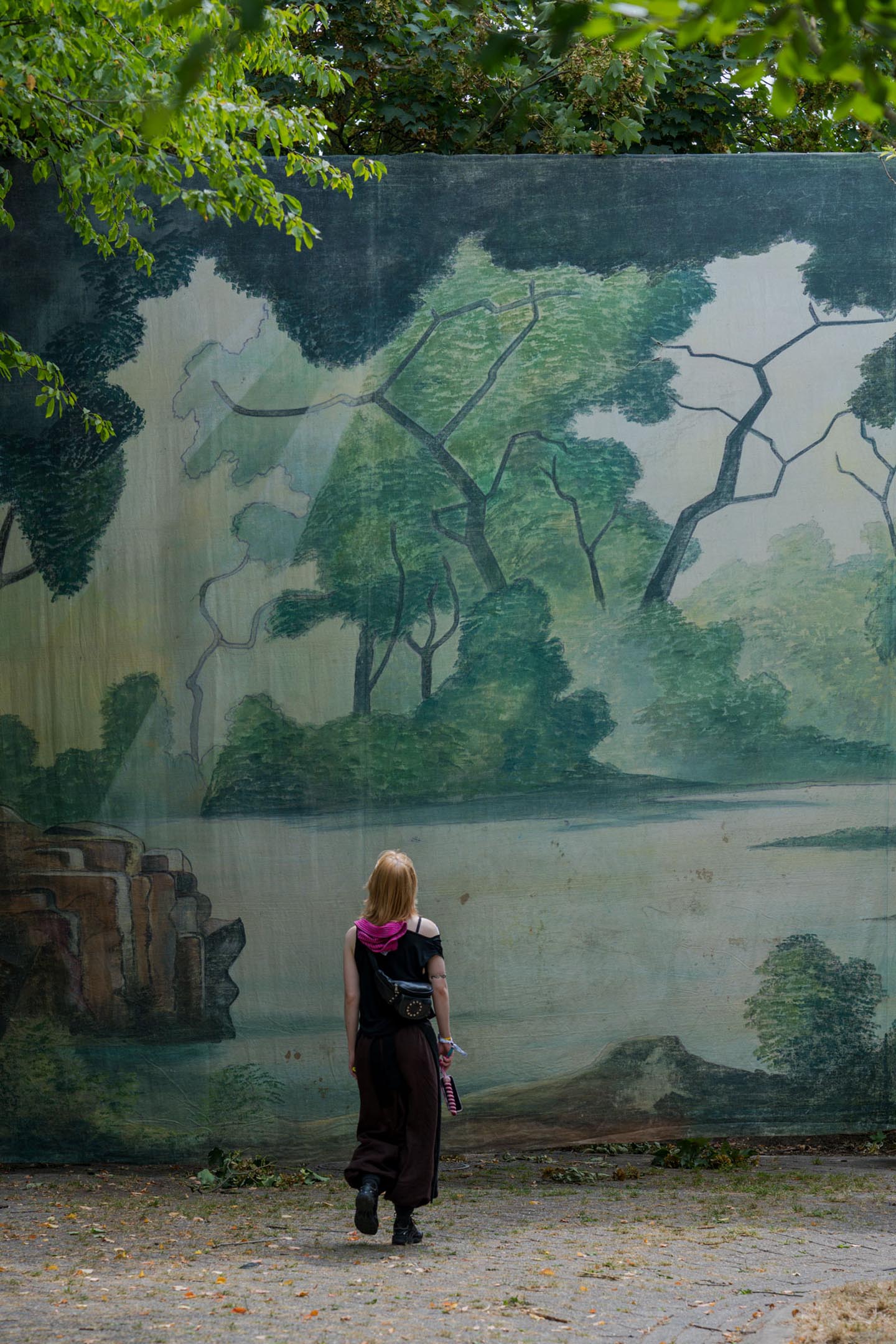
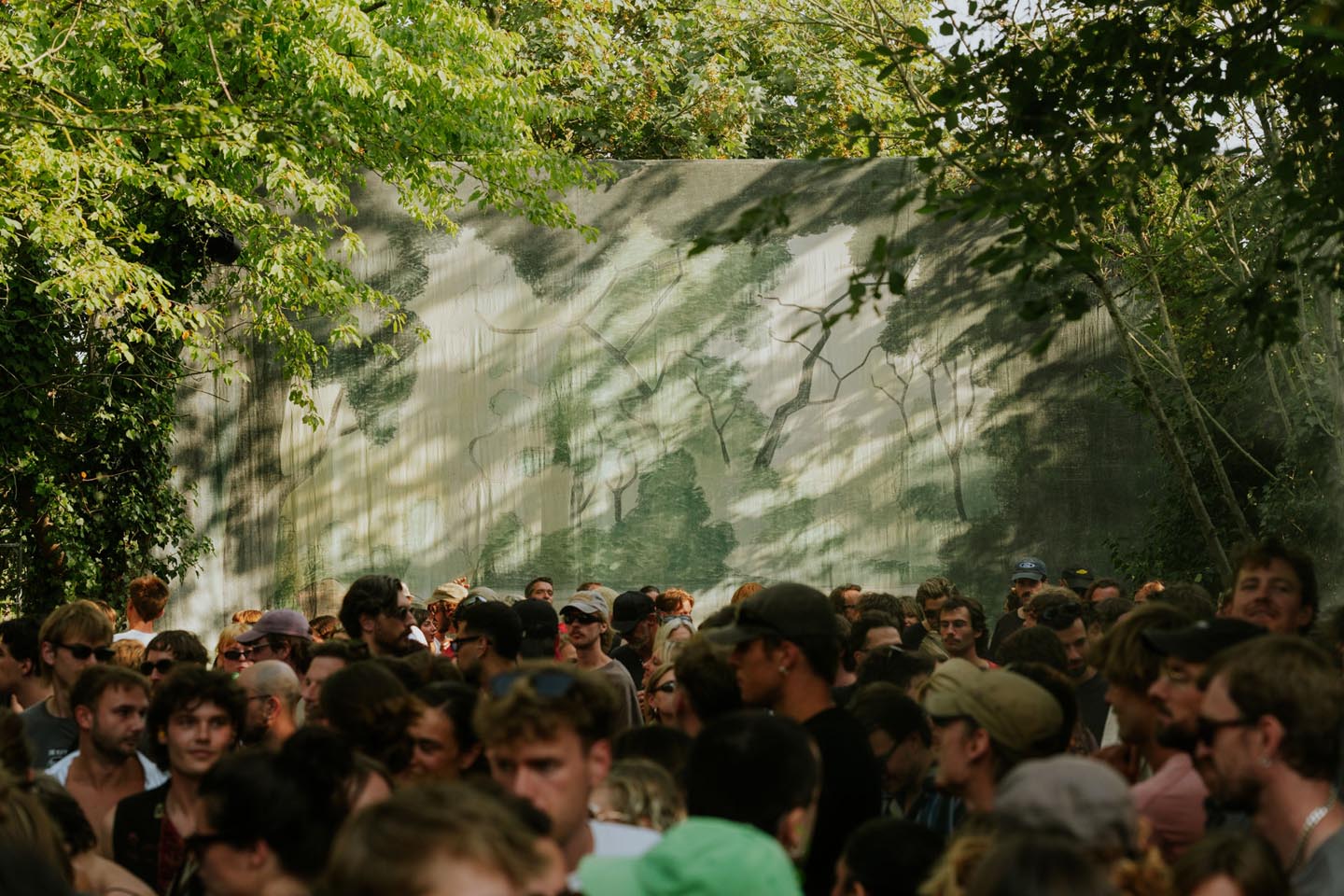
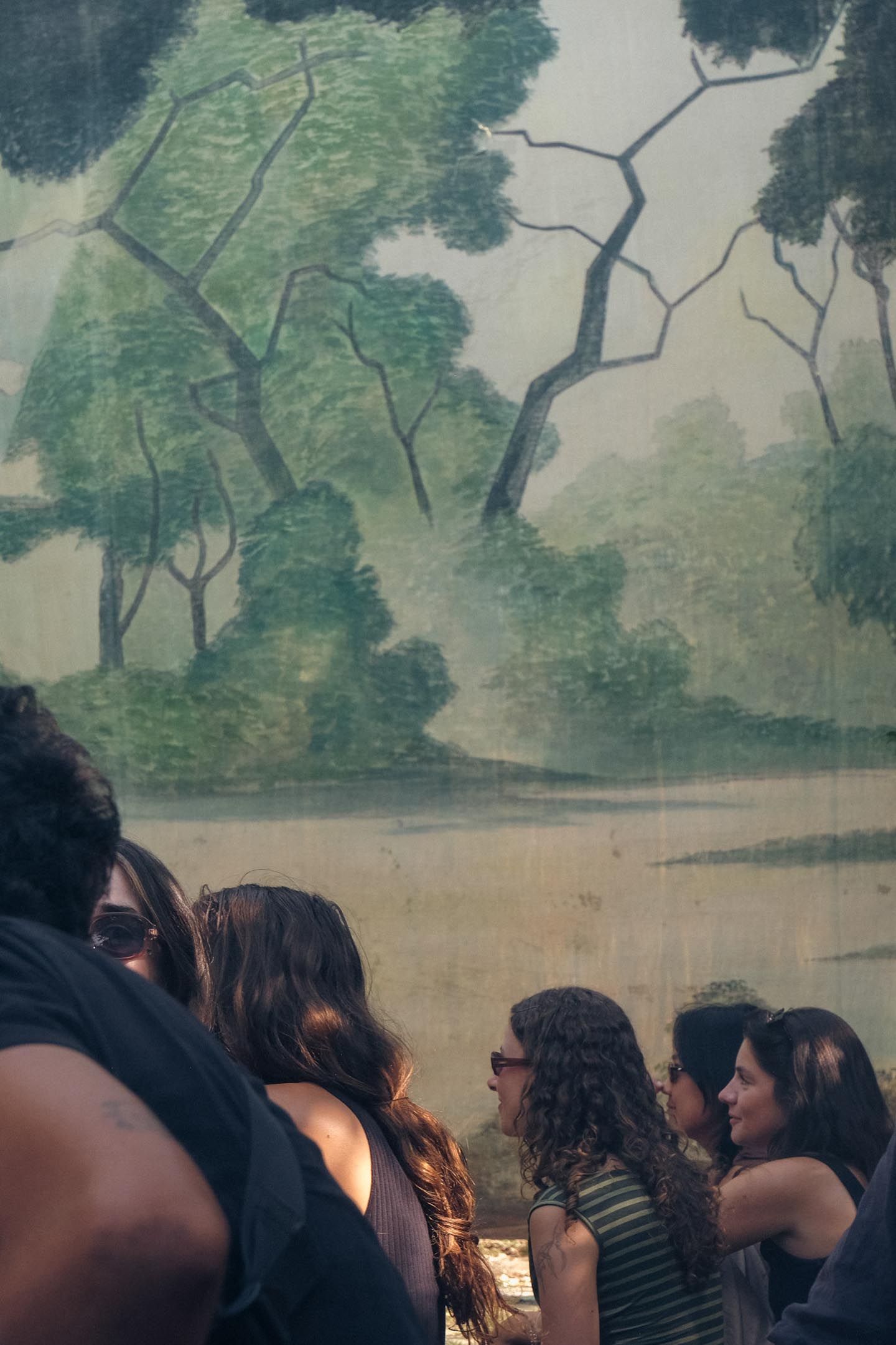
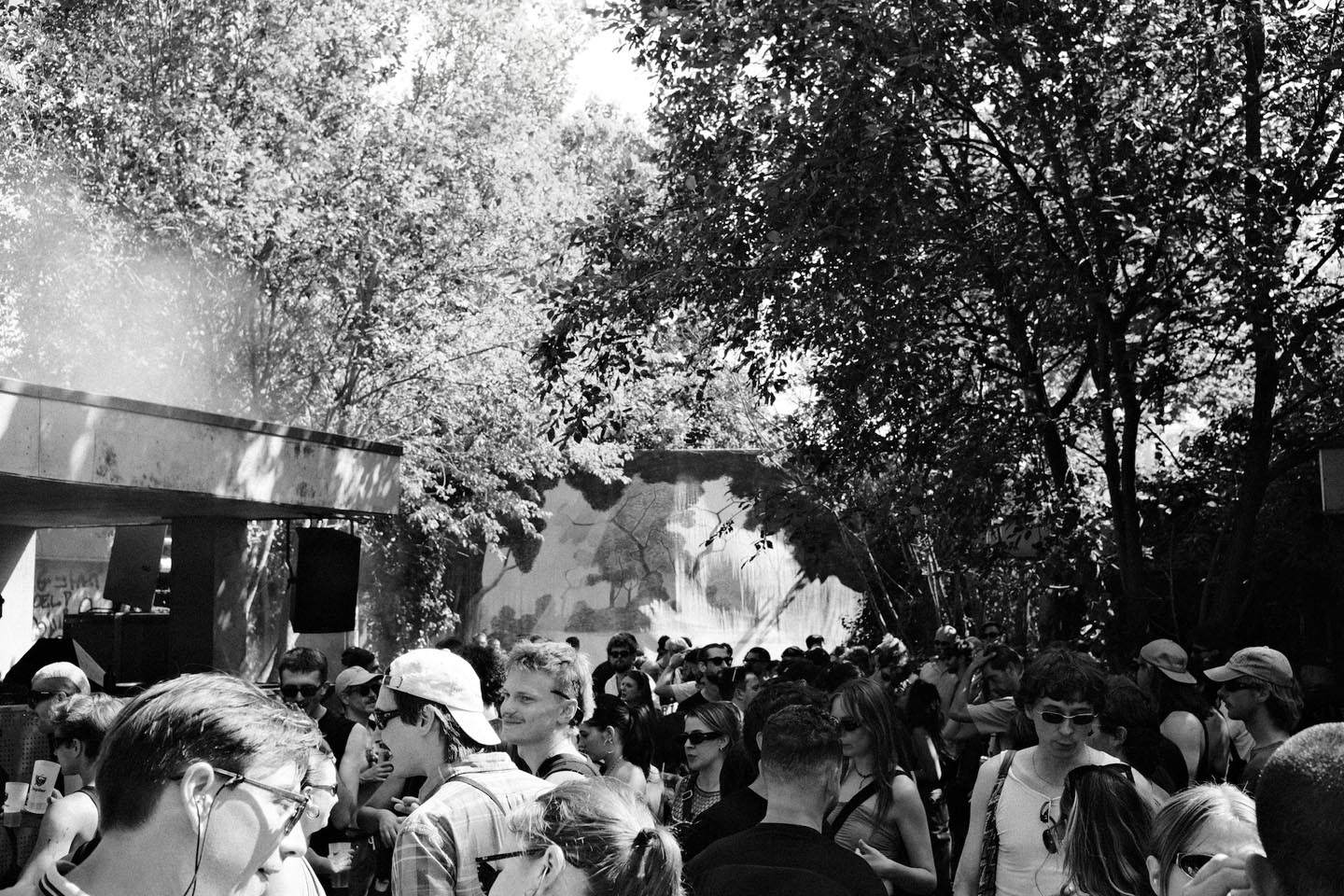
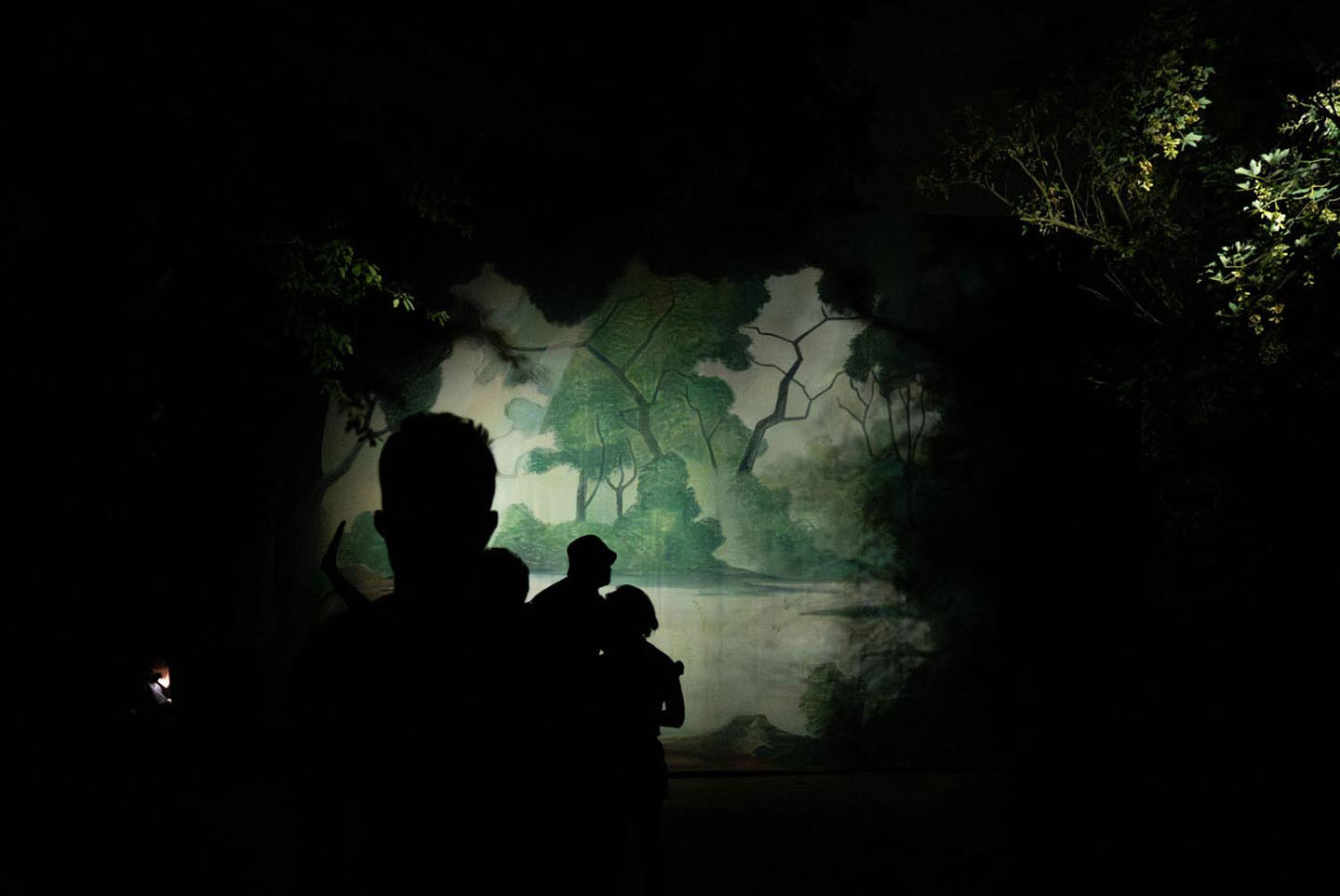
To explain ‘Doek’, we have to go back to how we originally came to design the Bungalow stage in the first place. From year one into year two, from the need to expand the festival grounds to accommodate more visitors, we looked at the southern most part of the village.
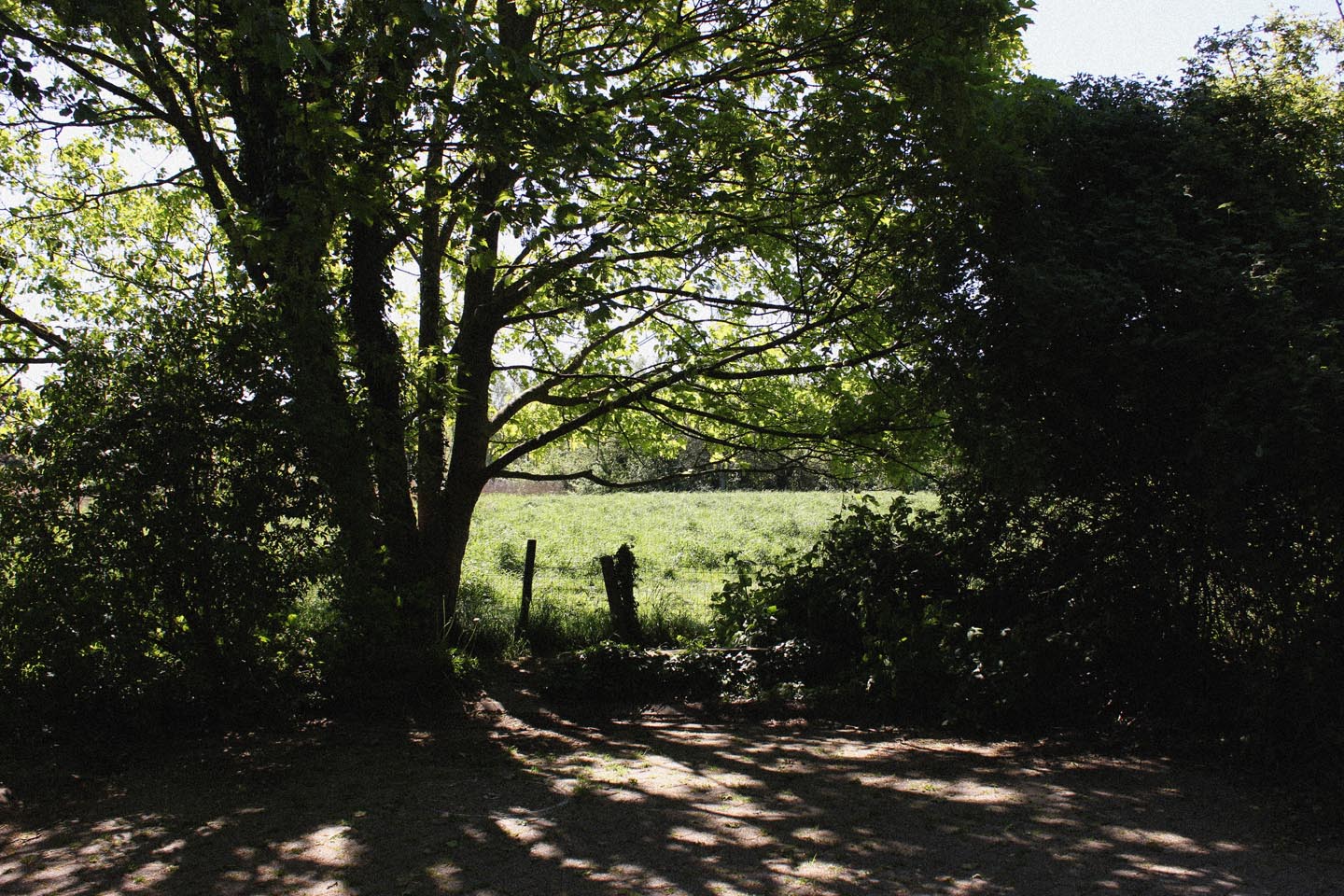
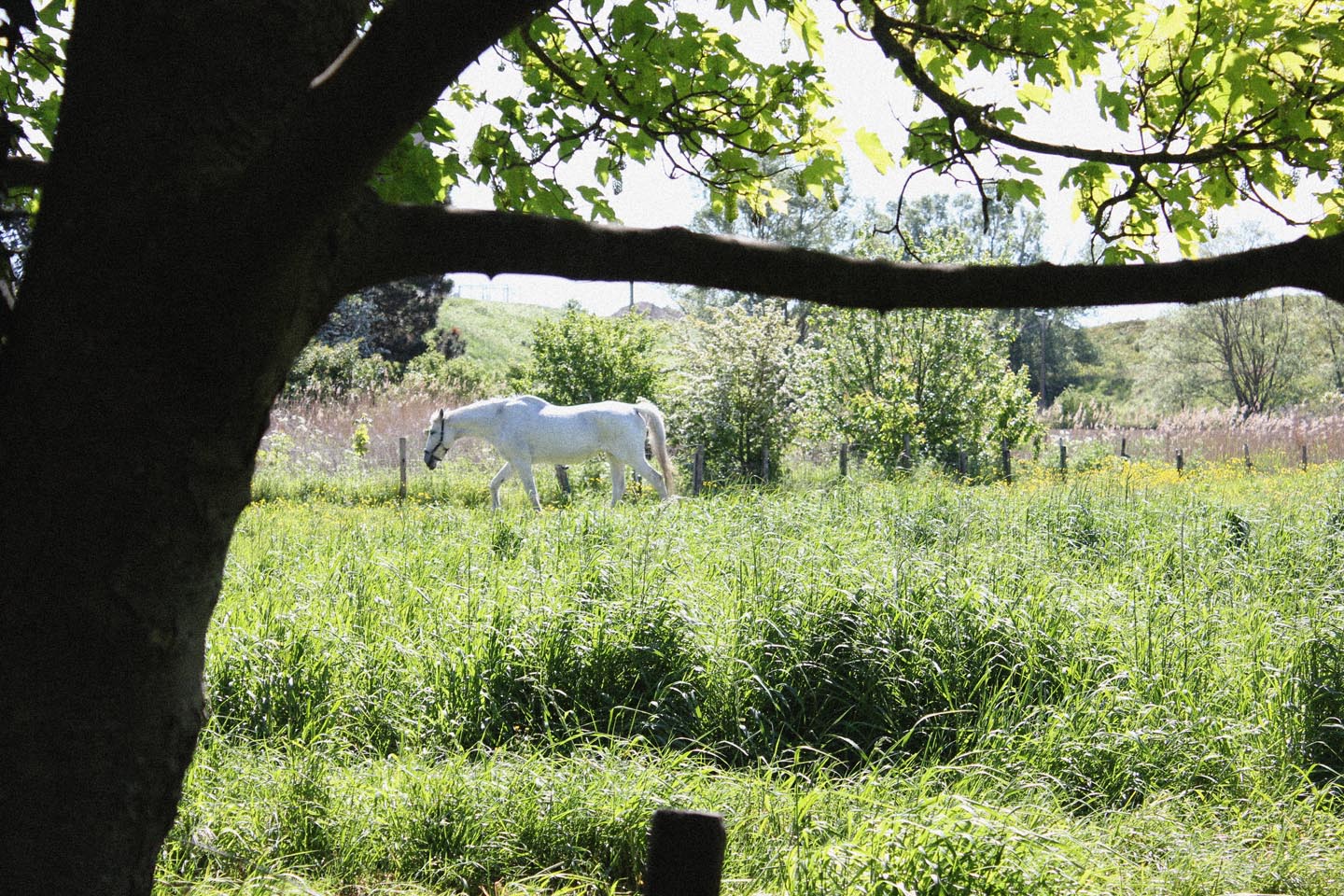
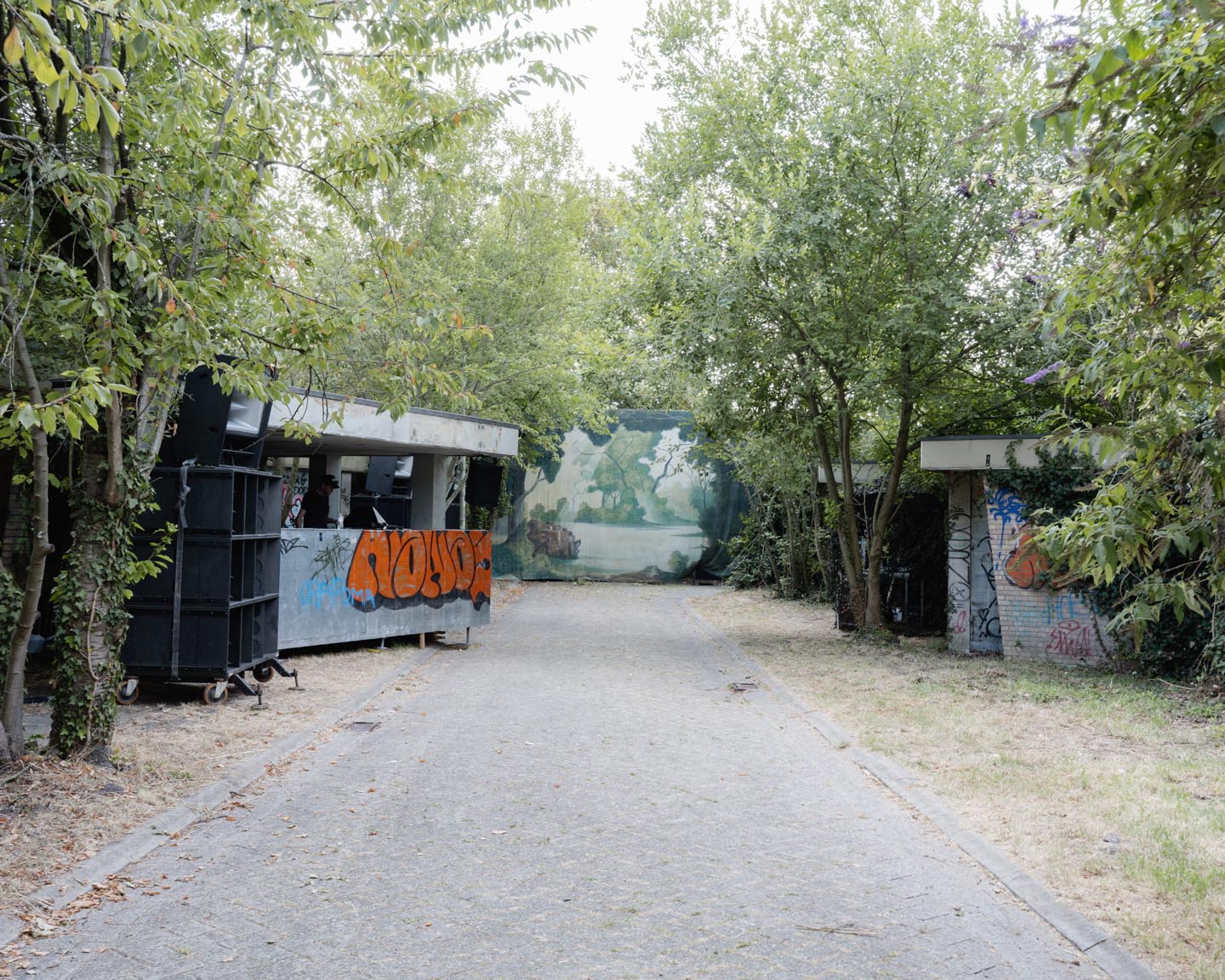
There lay an overgrown and impassable dead ended street, characterised by two rows of bungalows, once social housing for the elderly. We decided to call a local gardener to clear it as we had a vision for a smaller stage here. Thus the Bungalow stage came to be. Additionally, this opened the street up again for the villagers and visitors of Doel, allowing you to walk all the way to a fence, with behind it a meadow where a white horse roams. A view previously lost due to a lack of care for the village by the municipalities.
In the first year of the Bungalow stage, the deejay booth naturally closed off the end of the street. But as the idea for the Bungalow stage changed, moving the booth into a makeshift extended porch of one of the center bungalows, for two consecutive years we placed a small bar to close it off instead.
While preparing the fifth edition of Doel, we were able to relocate that bar to the front of the stage. This meant that during the festival, the meadow became approachable again and we had to think of a new way to close off the end of the Bungalow stage.
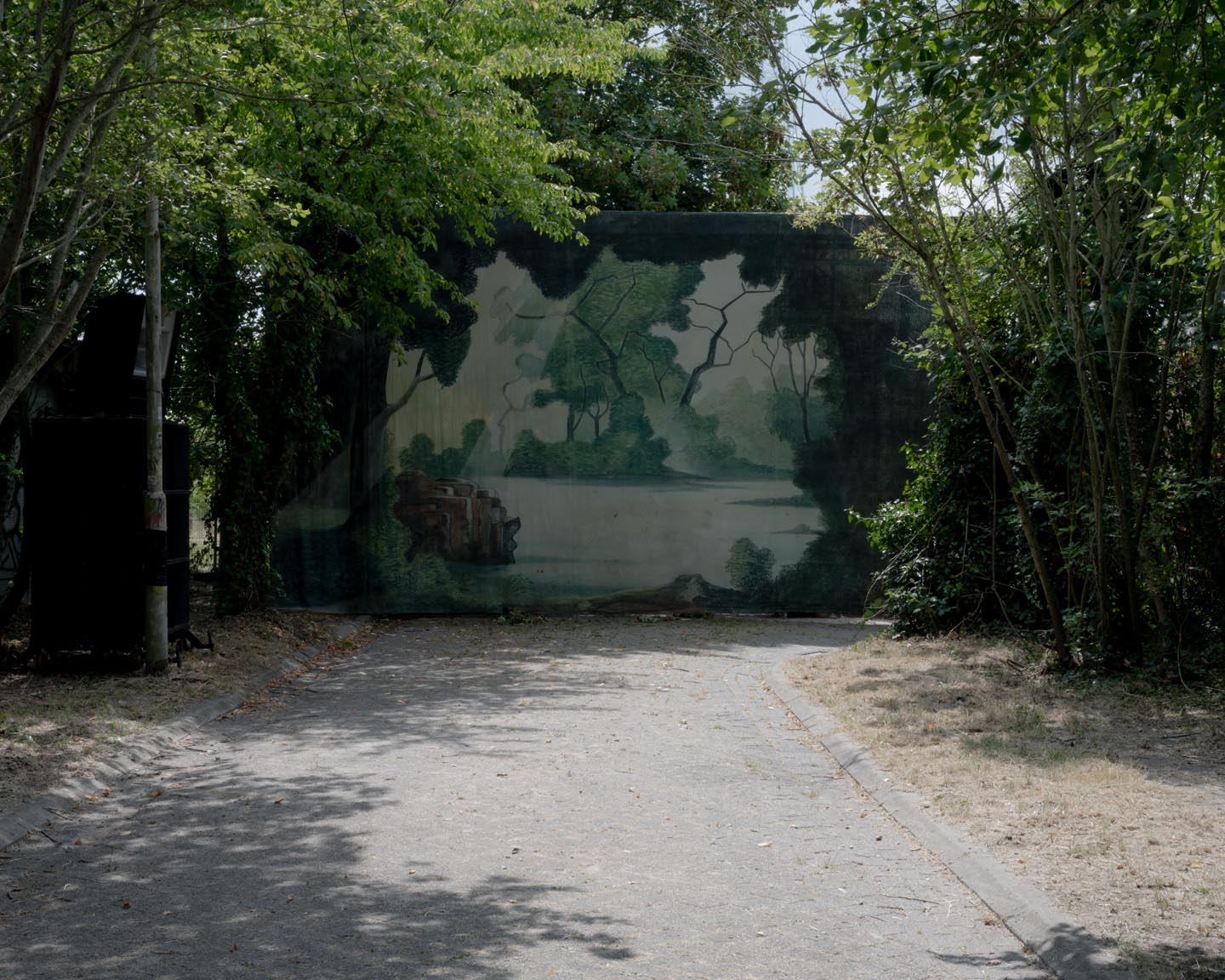
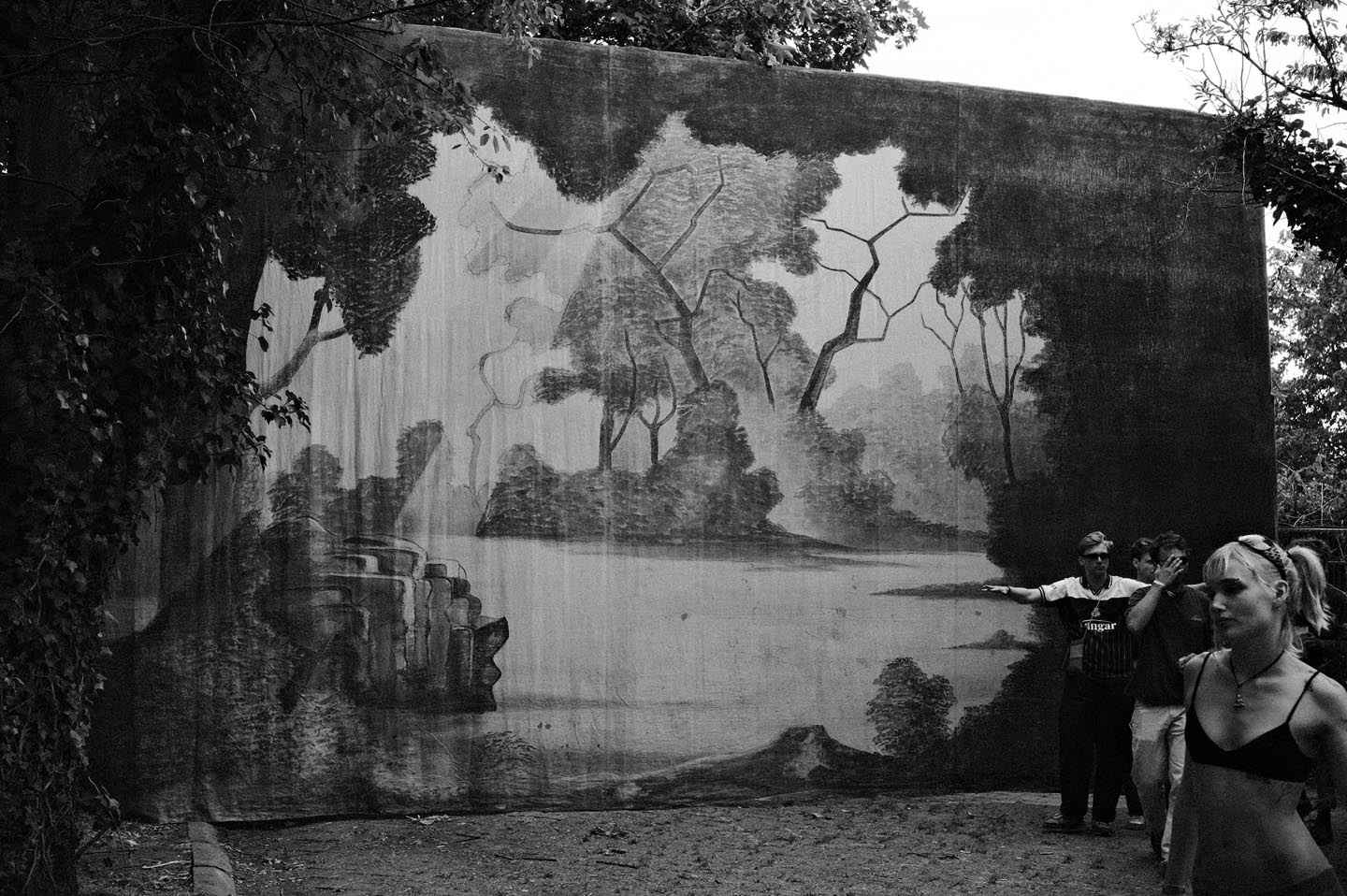
From the idea that Doel Festival can be interpreted as a grand rehearsal for a village that’s alive again, an idea of what it can be, started the search for a theatre background featuring a similar environment as its surrounding. Specifically, an idyllic scene such as the meadow with the white horse.
The result was ‘Doek’, literally translated to ‘cloth’, ‘canvas’ or ‘curtain’, but also a word that’s (equally) similar to ‘Doel’.
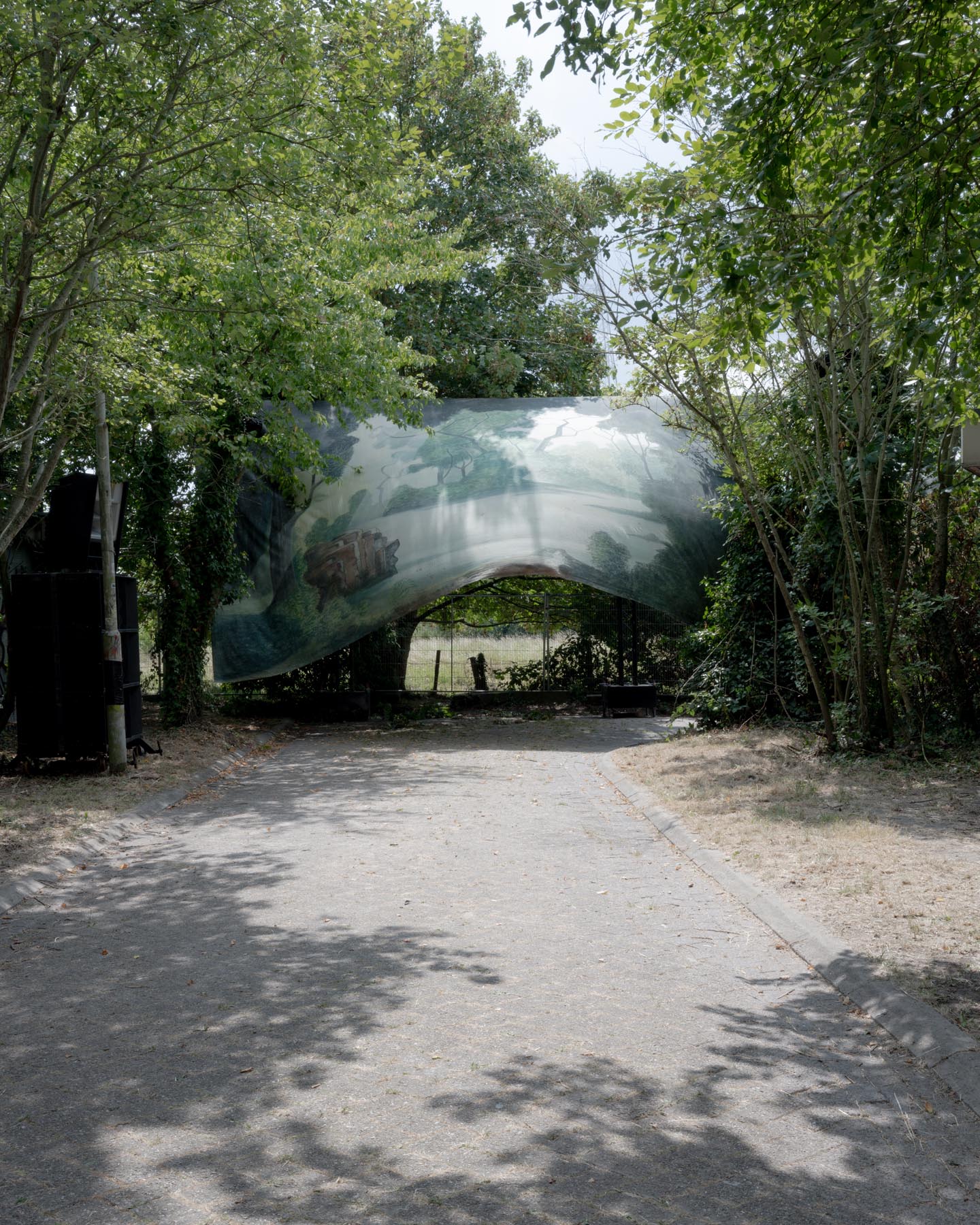
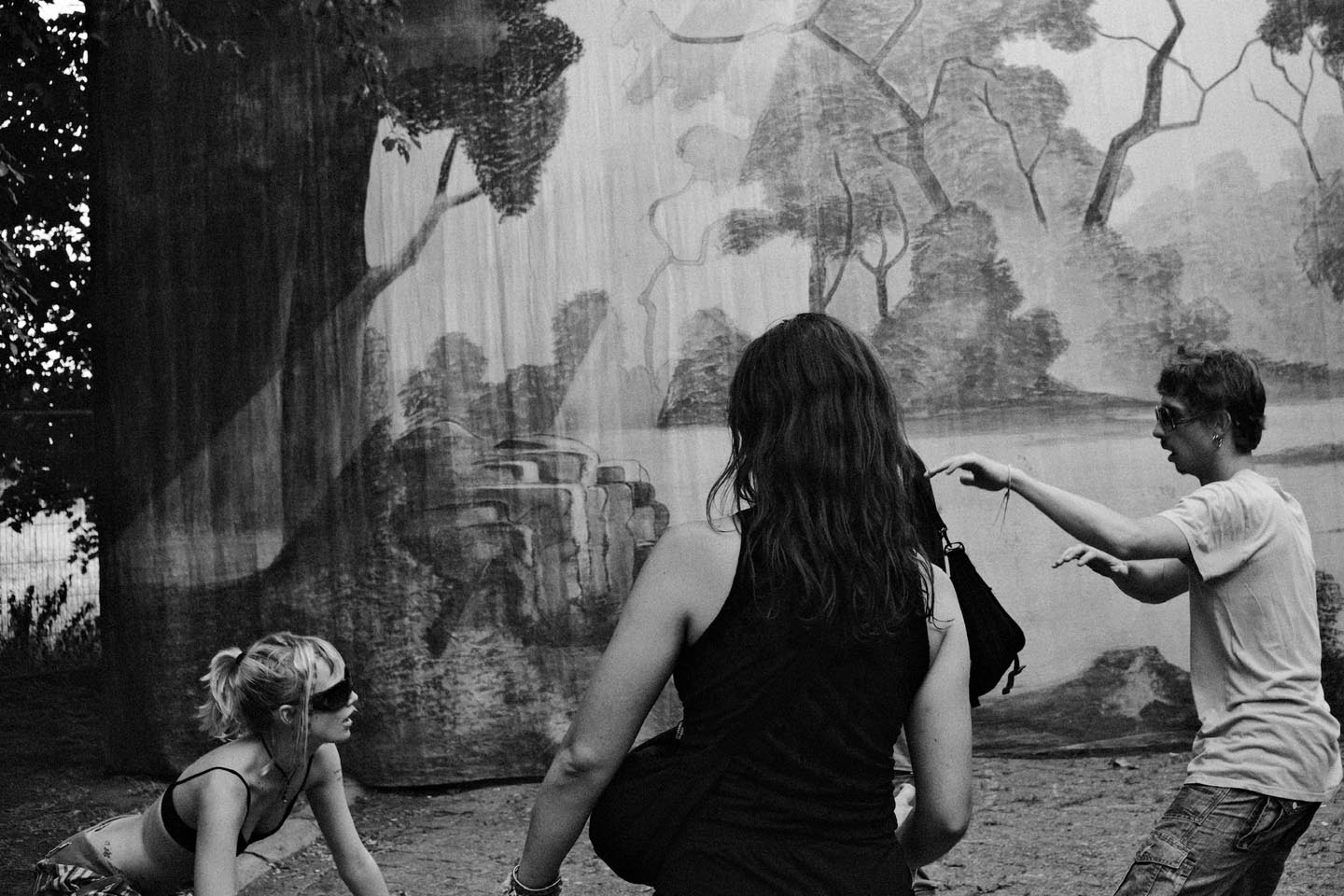
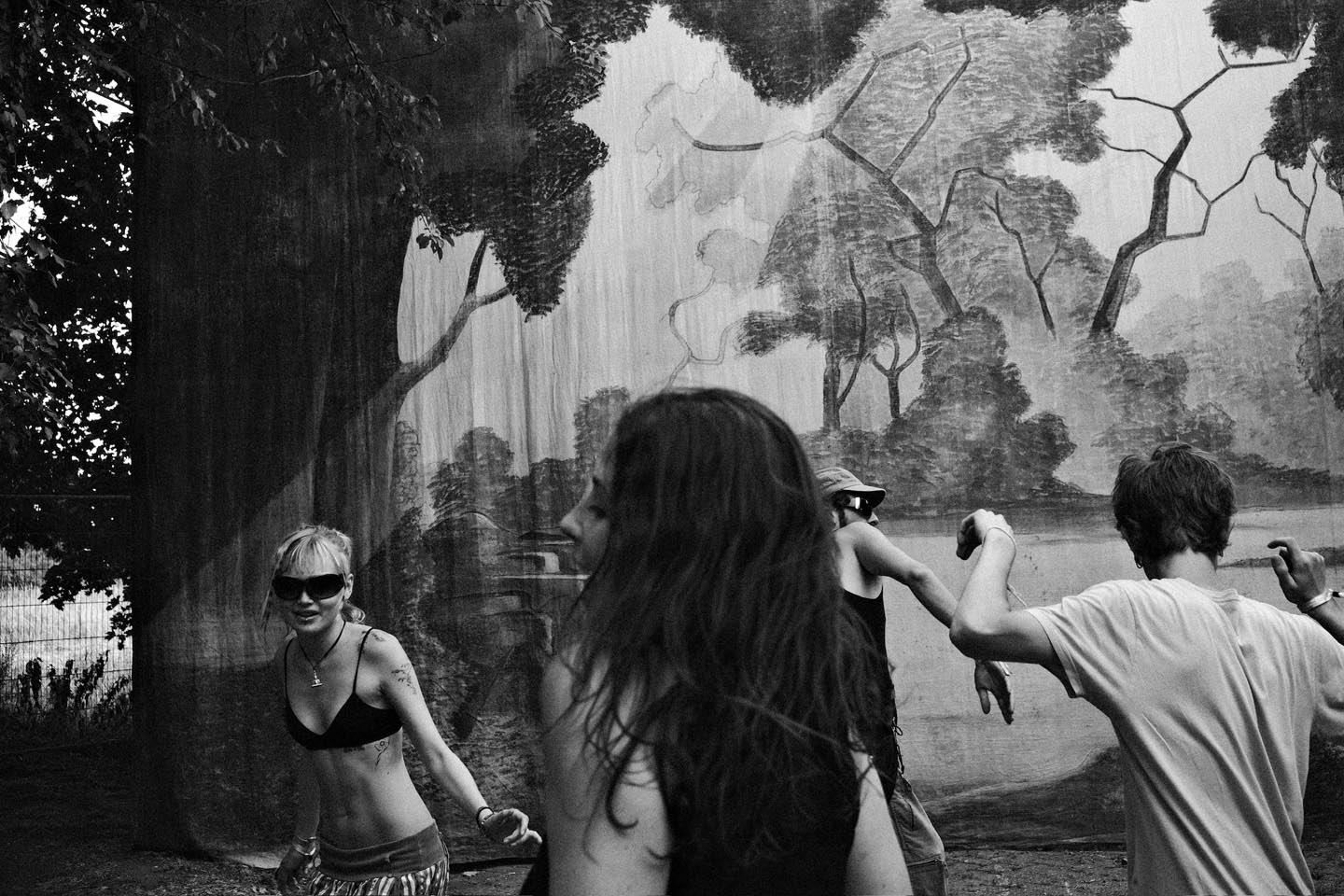
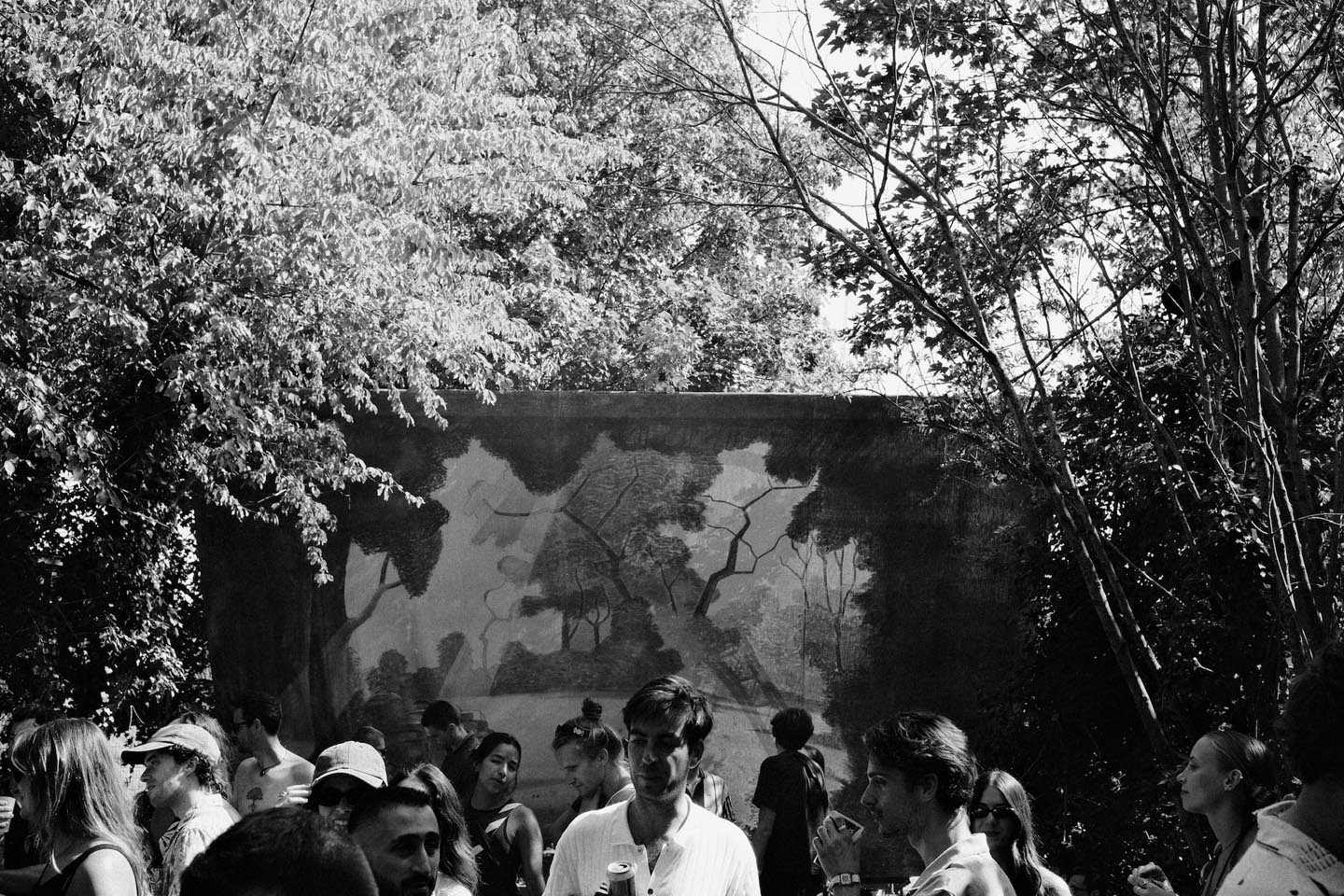
The result was ‘Doek’, literally translated to ‘cloth’, ‘canvas’ or ‘curtain’, but also a word that’s (equally) similar to ‘Doel’. ‘Doek’ was a monumental hand painted canvas theatre background, installed at the end of the Bungalow, both visible and invisible. While ‘Doek’ was there, it meant the stage became a podium, and the dancer became the actor, moving left to right, front to back. In front of ‘Doek’.