Dauntless Circus Encore
Dauntless Circus Encore
In last year’s exhibition we asked if there was room in Doel for Doel Festival. At this very moment that answer is yes.
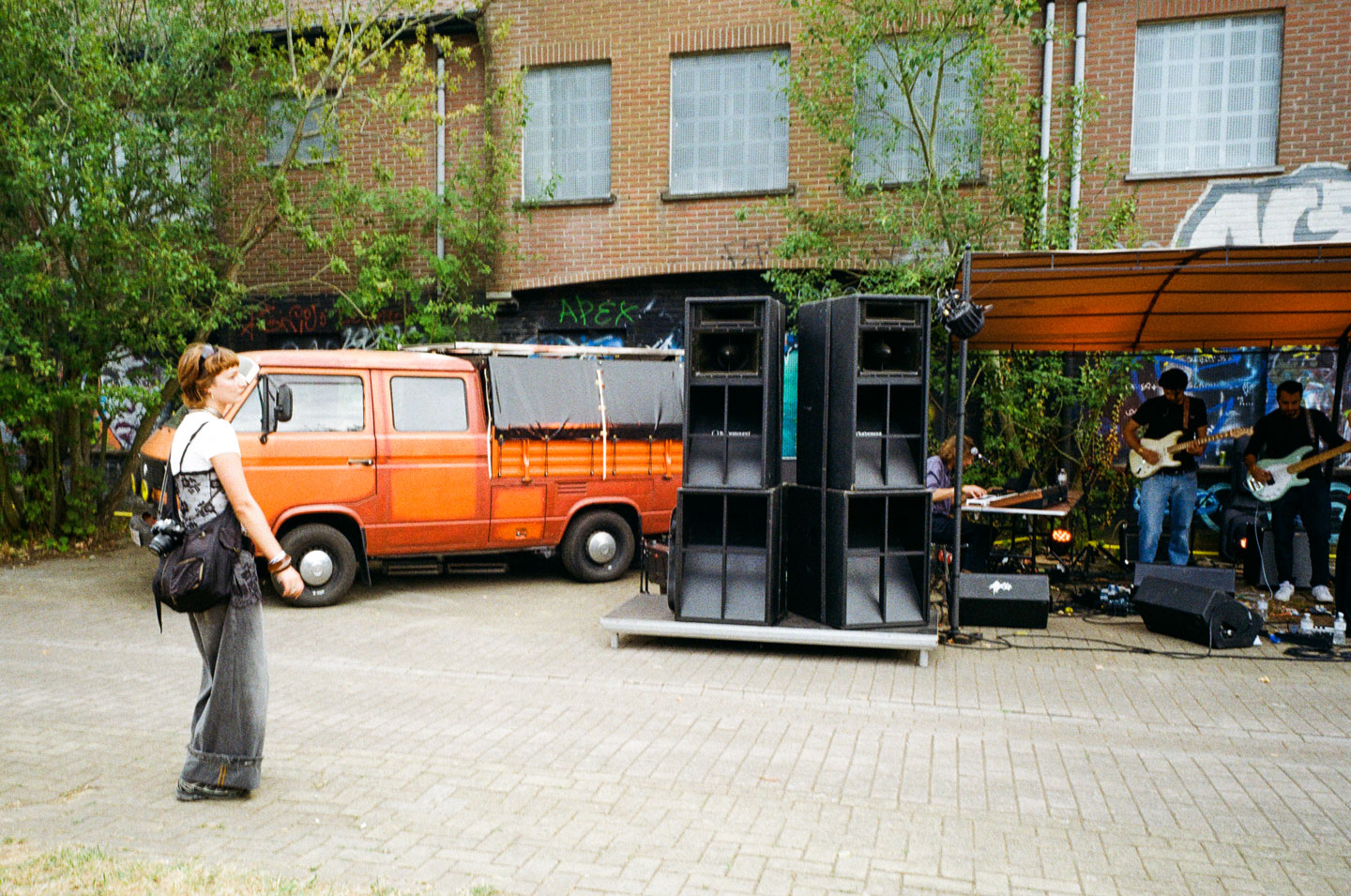
Doel village has been in a near empty state since the early 2000’s, its inhabitants retreated almost fully, with a squatter wave in that period briefly thickening the town’s population, until a crackdown cleared out most of them. In 2020, just about 20 villagers were left. This was also the time when preparations for the first Doel Festival started.
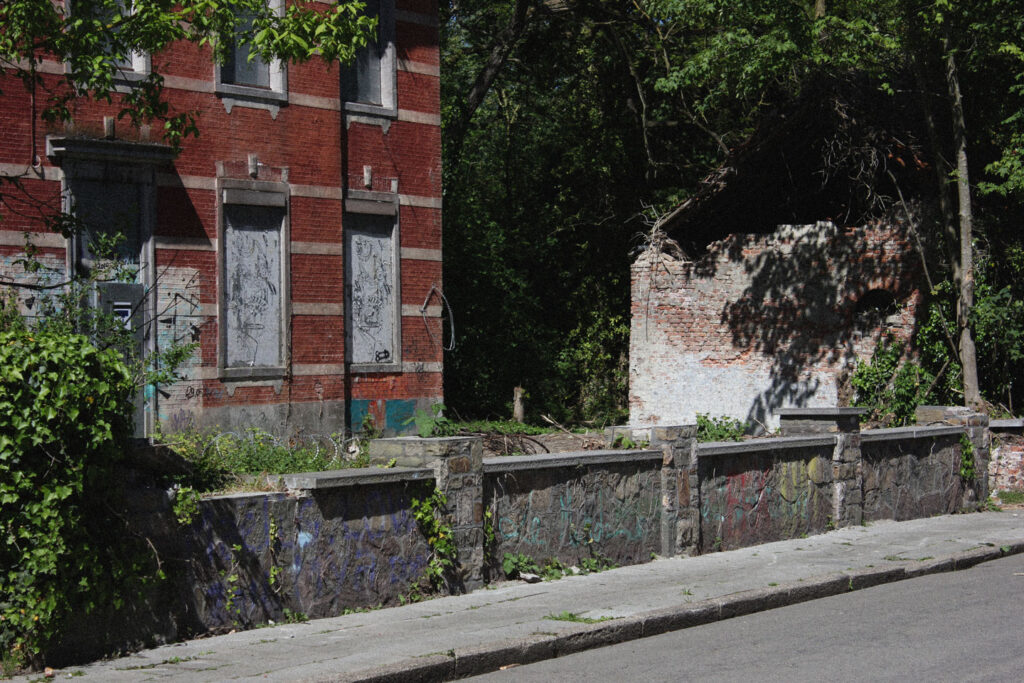
The village’s empty streets, rundown structures, withered facades and graffiti backdrop were appealing in the visual sense. A unique surrounding, formed through historic change. Visible trauma, tales of hardship, yet a slumbering beauty because of it. Passionate residents, mostly moved in after Doel was already empty, whom fell in love with this peculiar place, whom have made it their home, and the streets their front gardens, further claiming spaces, such as an atelier in Atelier De Nys and a community gathering hub in De Doolen.
Although its last remaining bar and restaurant have closed in 2023 and 2022 respectively, De Spuikom still remains, a small yacht club near the marina, currently being renovated and The Hooghuis, a historic building residing next to the town’s church, had its renovations completed this year, now looking to see how Doel further develops, before deciding what kind of place it would become.
And that development is certainly coming. In between last year’s edition of Doel Festival and the upcoming one, a group of 19 stakeholders, including the municipality of Beveren, the Flemish Government and the original action groups that fought for the remainder of Doel, have come out with a development plan for the village. Therein we can read that the village will undergo extensive renovations in multiple phases over the course of decennia. Starting with public spaces, the roads themselves, sewage underneath and basic infrastructure, the surrounding area’s, adding moats and greenery along with visitor and inhabitant parking lots.
Since Doel is an attraction today and has been since its ghost like state, there is a vision present to keep it that way. While the harbour is still expanding alongside Doel’s urban development, a natural dike will separate the two, Doel is to become a gateway for Grenspark Groot Saefthinge, a bordering natural reserve spanning all the way into The Netherlands. As a result of these structural changes to the village, some current residents will lose their housing, and over the course of many years, Doel will be in part a demolition site. The plan aims to clean up the village and eventually make room for 288 inhabitants and an estimate of 500 tourists per day, through the renovation and building of 120 houses.
The plan also states that it will be difficult to host any type of horeca during the long building period and that there can be no daycare centers, schools and events with large groups of people, due to the closeness of the second harbour dock. So while currently there is room in Doel for Doel Festival, we can already foresee a future where there isn’t anymore. It is to be seen when exactly that may change, as the start of renovations of specific parts of the village may already dictate a significant change to the festival lay out, possibly retracting.
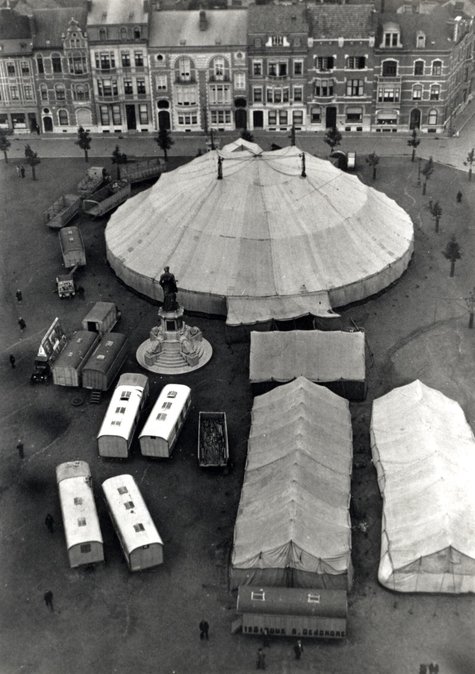
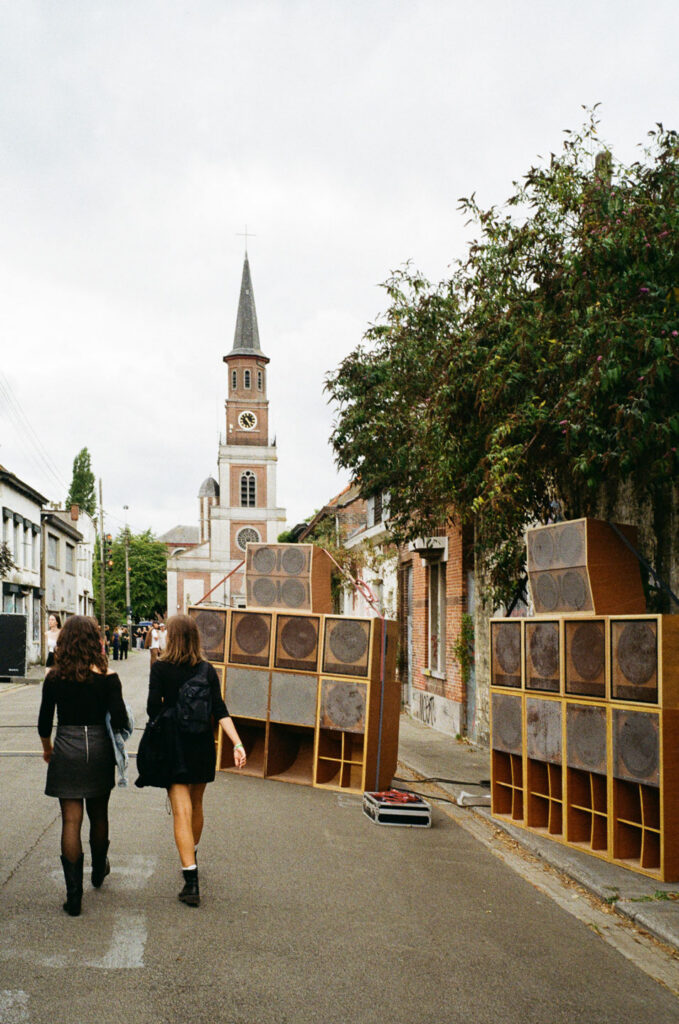
It is becoming increasingly clear that last year’s prediction of a gentrified Doel without Doel Festival will eventually become reality. We are seeing in realtime the choices made to exclude a part of Doel’s most recent history from its future. The history of the Belgian circus is indeed foreboding.
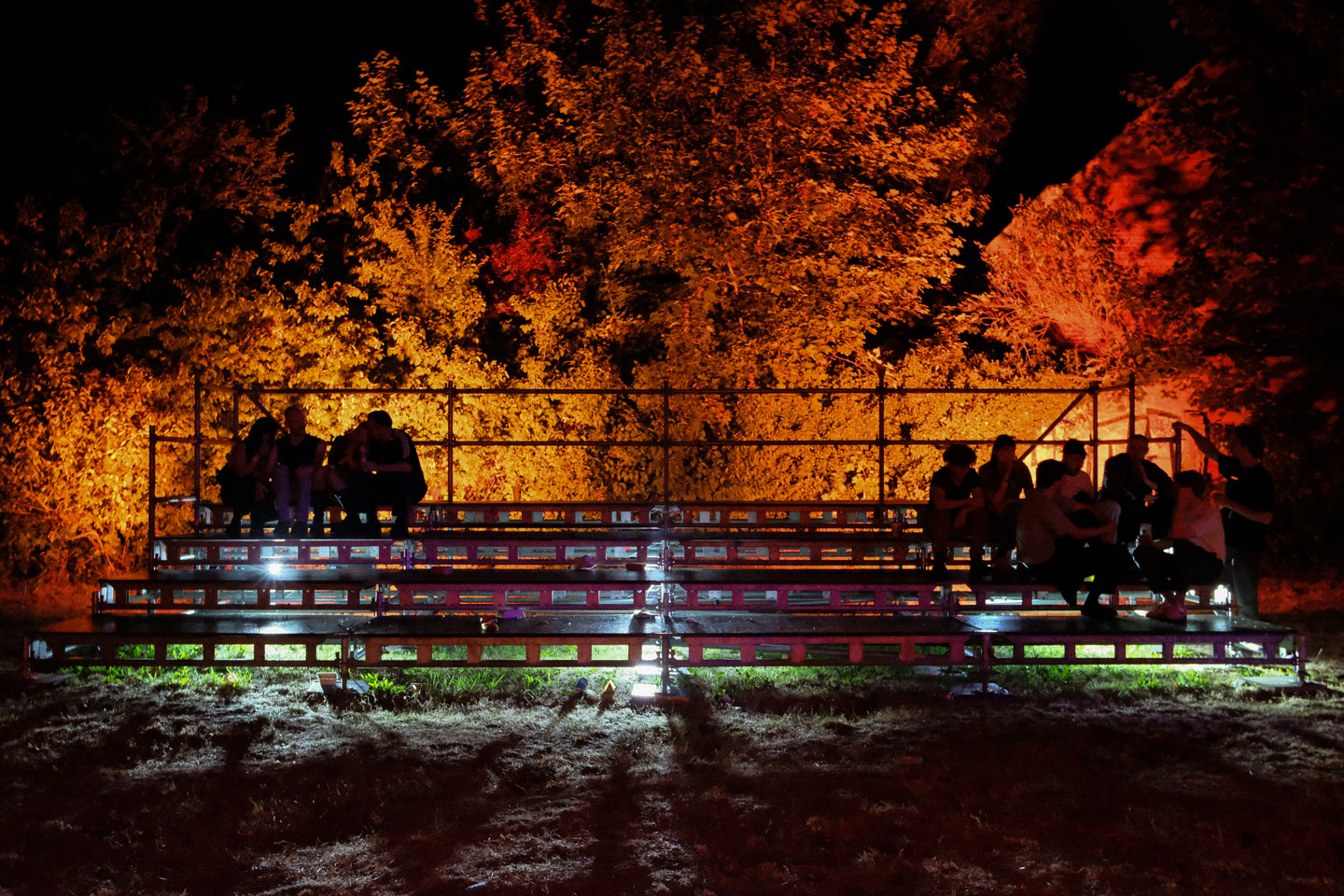
Parallell’s still stand, Doel Festival is returning and recurring, travelling back again to the curiosa filled village for a fifth time, a no-man’s land nomad’s land activated through short term culturally infused influx. A brief symbiosis, a partake in folklike festivities. Music, art, food, dance. Temporal by design and now finite without a deadline.
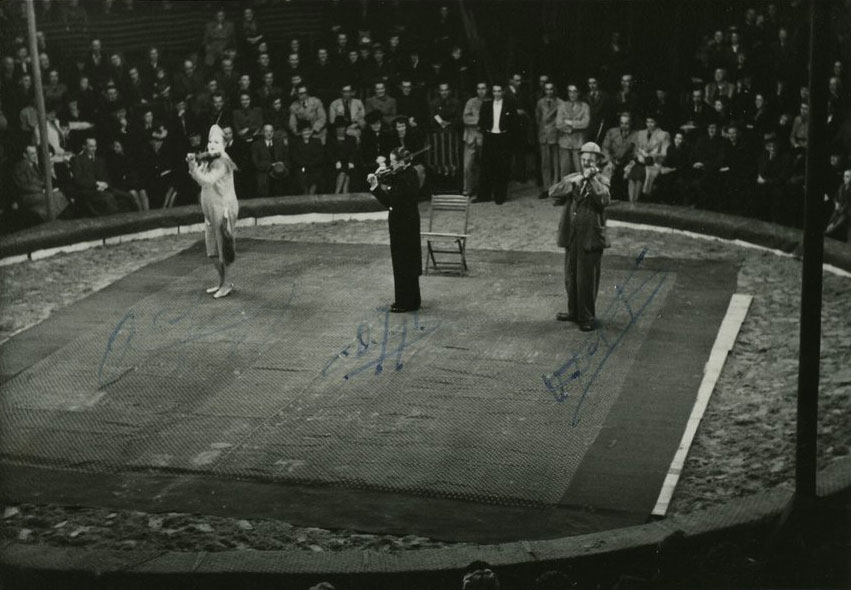
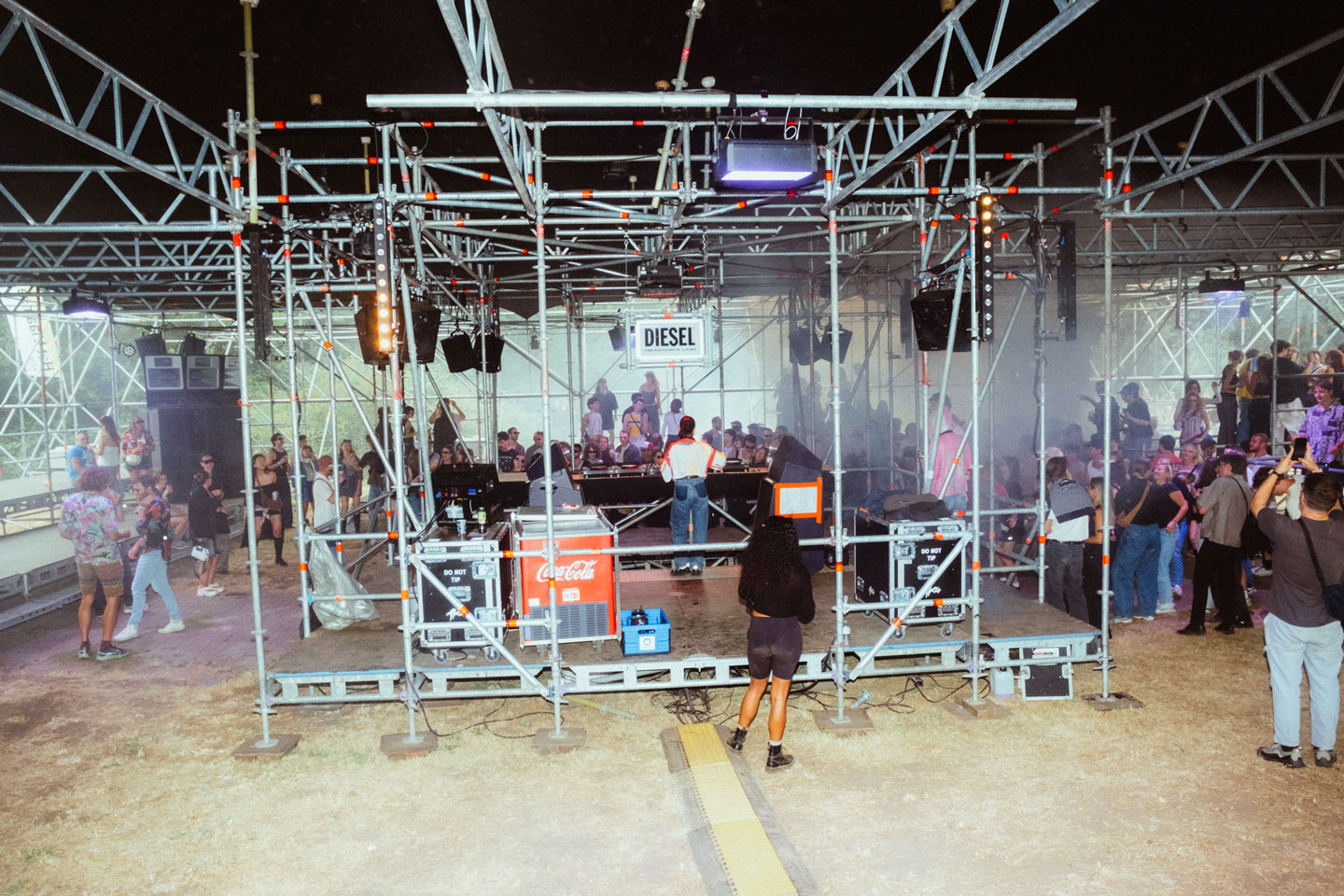
The festival is permitted by the municipality of Beveren to occupy Doel’s streets. As within most cities undergoing the process of gentrification, a temporary consignment is allowed for cultural players and organisations. More often to inhabit empty buildings, for the owners to avoid paying vacancy property taxes. What if such a temporary project is carried by the local population, and has a positive impact to its direct environment, for a city? Should a municipality have the power to dictate the purpose of those buildings and areas?
We can find examples in three of Antwerp’s towers. In 2016, Antwerp’s A-Tower, an office building from 1974 characterised by its orange tinted windows and named one of Europe’s ugliest buildings by StedenTripper in 2012, was taken over by a group of local event organisers to answer an open call from the city, to transform the tower into a creative hub for one Summer only, before demolitions of its facade would start.
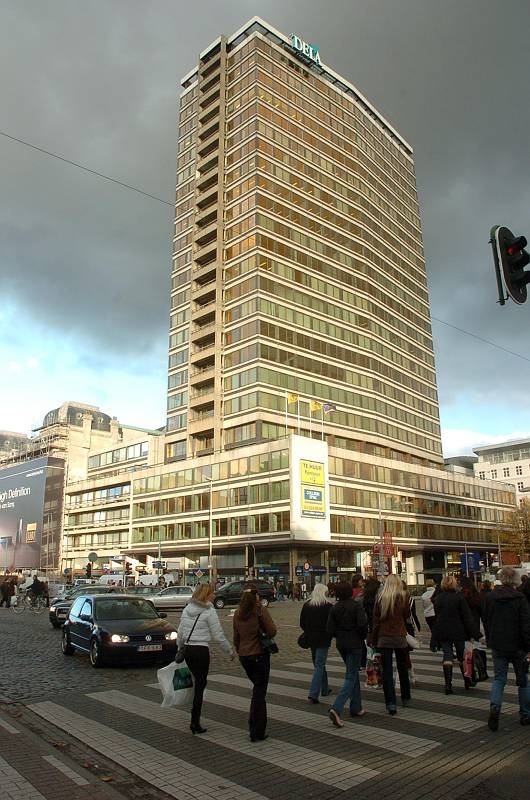
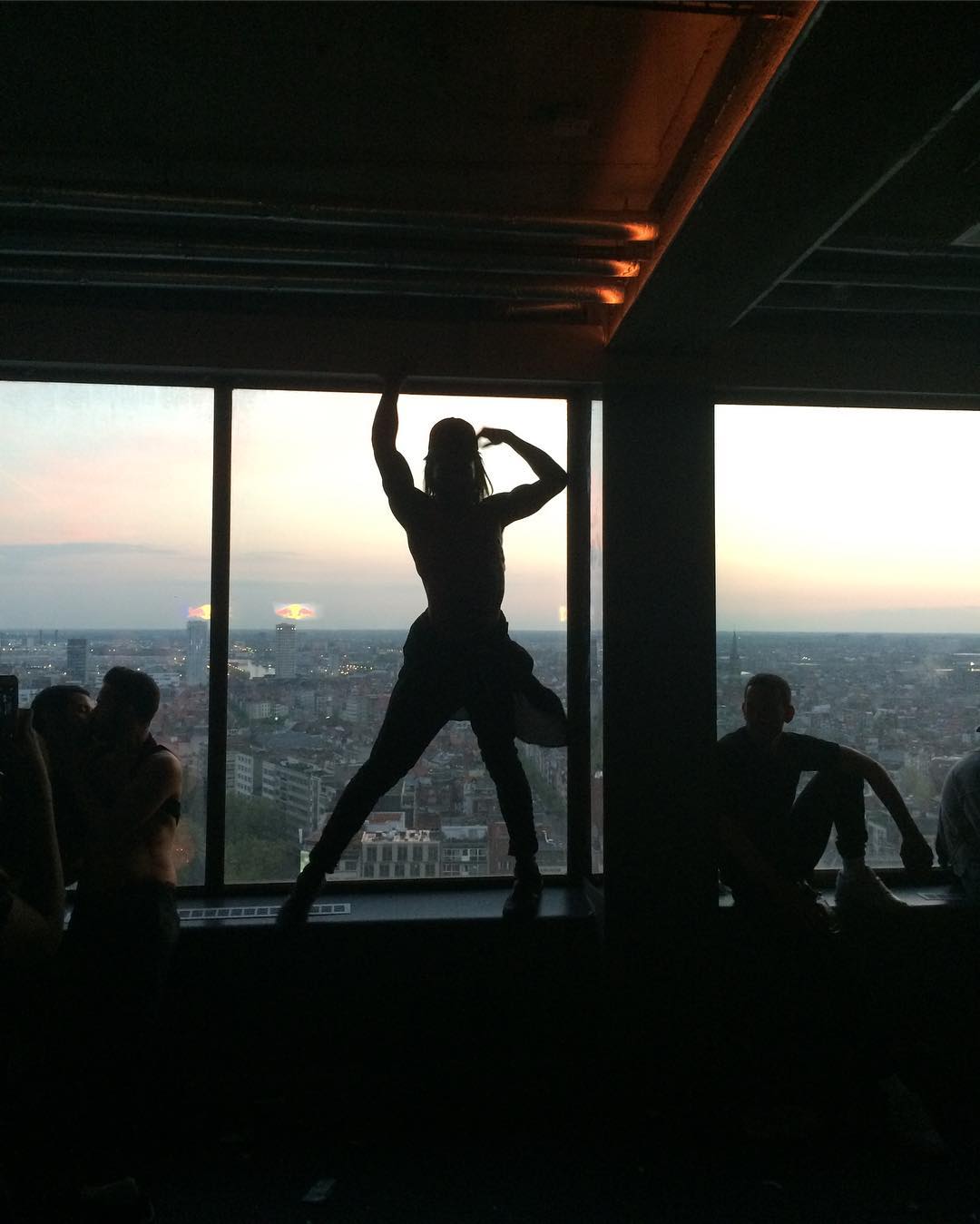
For one Summer, Antwerp had a sky club. The tower, located near Central Station, had a magnificent view of the entire city. The club aptly named Klub Goud or Club Gold, after the orange windows that would glow when the sun hit them. But not just a club, over multiple floors, the tower hosted an exhibition space (an entire floor), a hair salon, co-working spaces, a restaurant, a bar with a huge terrace and artist studios, alongside a packed agenda of small and big events. A short extension was given to the project, seeing its lifespan go from five months to nine, but after that it was over and out.
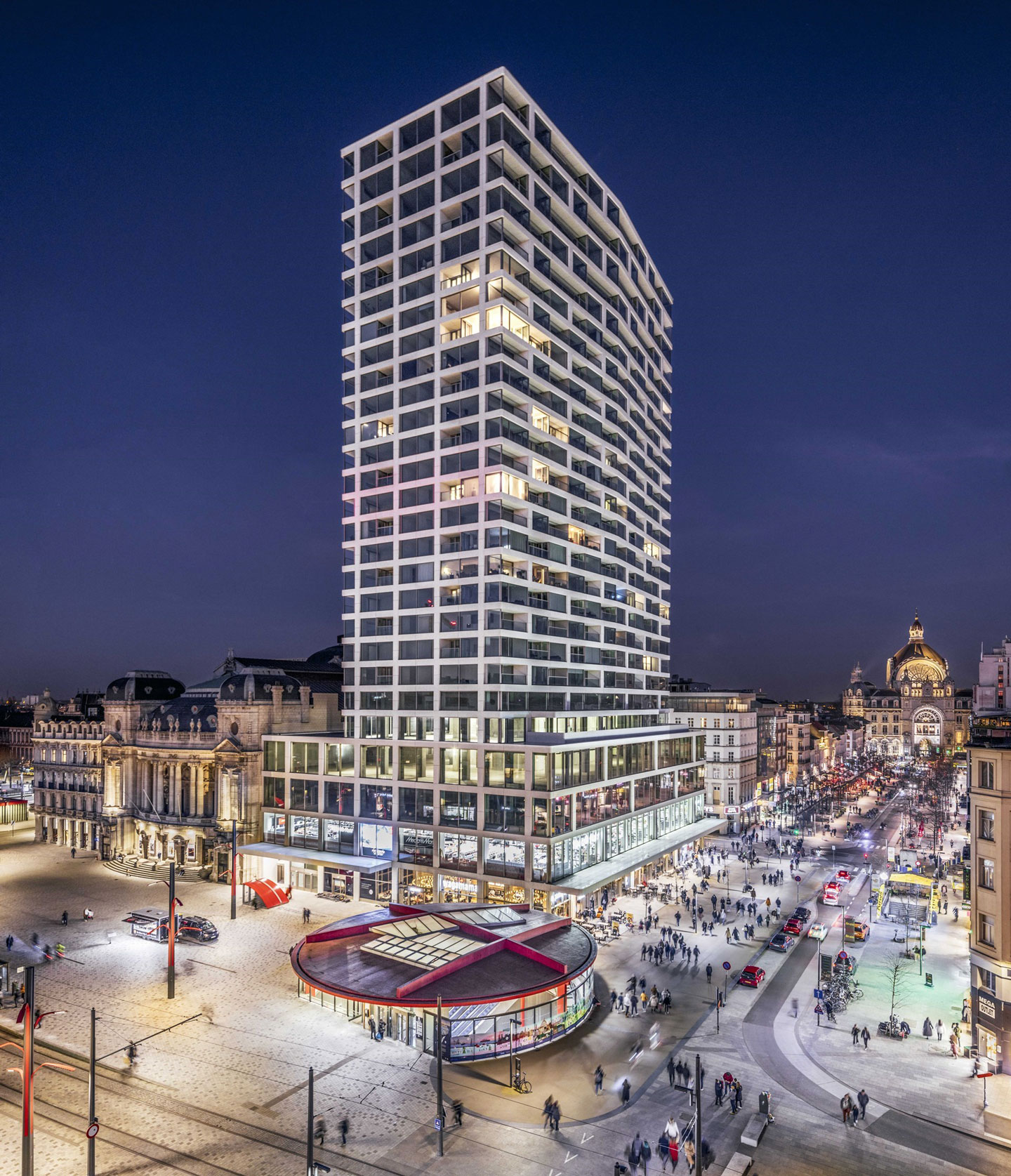
In that brief window, Klub Goud saw the likes of now world class deejays Charlotte De Witte and Amelie Lens, Lefto and Francesco del Garda, and so many more. It hosted numerous exhibitions, indoor flea markets and yoga sessions, organised from the ground up. A-Tower left a hole, as it gave a glimpse of what could have been a lasting creative powerhouse, yet plans for developing expensive luxury apartments and a small shopping mall on its lower floors were set in stone. In hindsight, Antwerp did not need the latter. Should it be the responsibility of a municipality to recognise a strong creative presence and protect it?
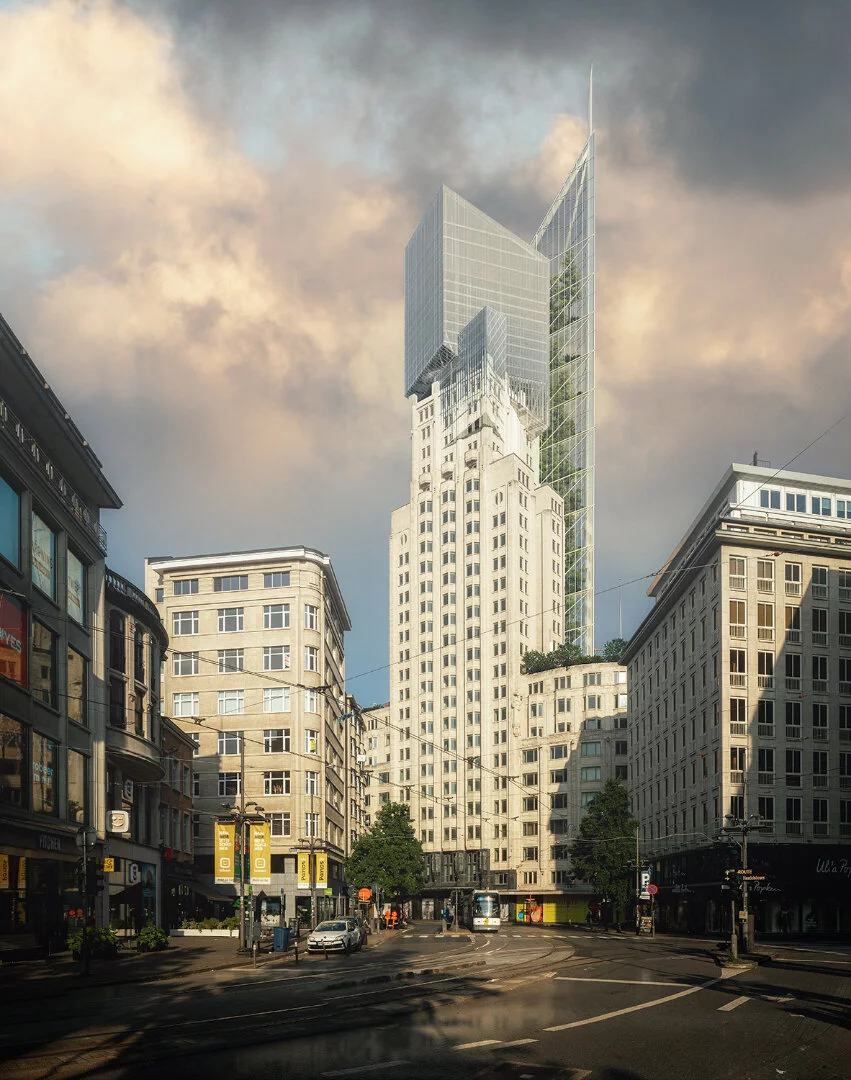
Two more towers have since been bought up and are planned for redevelopment. The first skyscraper of Europe, Antwerp’s Boerentoren, translated to Farmer’s Tower, built between 1928 and 1931 in art deco style, originally the farmer’s bank, later taken over by KBC bank, when it received a second nickname as the KBC Tower, referencing the giant KBC logo that was built on top. Now, it is owned by Katoen Natie Group, by Fernand Huts, the third richest man in Belgium, together with developer ION.
They were able to purchase the tower from KBC, while promising the city they’ll transform this piece of heritage into a “cultural beacon”, as Huts is an avid art collector through his Phoebus Foundation, which mainly consists of Flemish Masters, the idea is for that collection to be presented to the public. We have yet to feel any form of connection to Antwerp’s local, contemporary artistic field. Although the sale happened in 2020, previous design plans were revised after public criticism and renovations only start this July with the building projected to be finished in 2030.
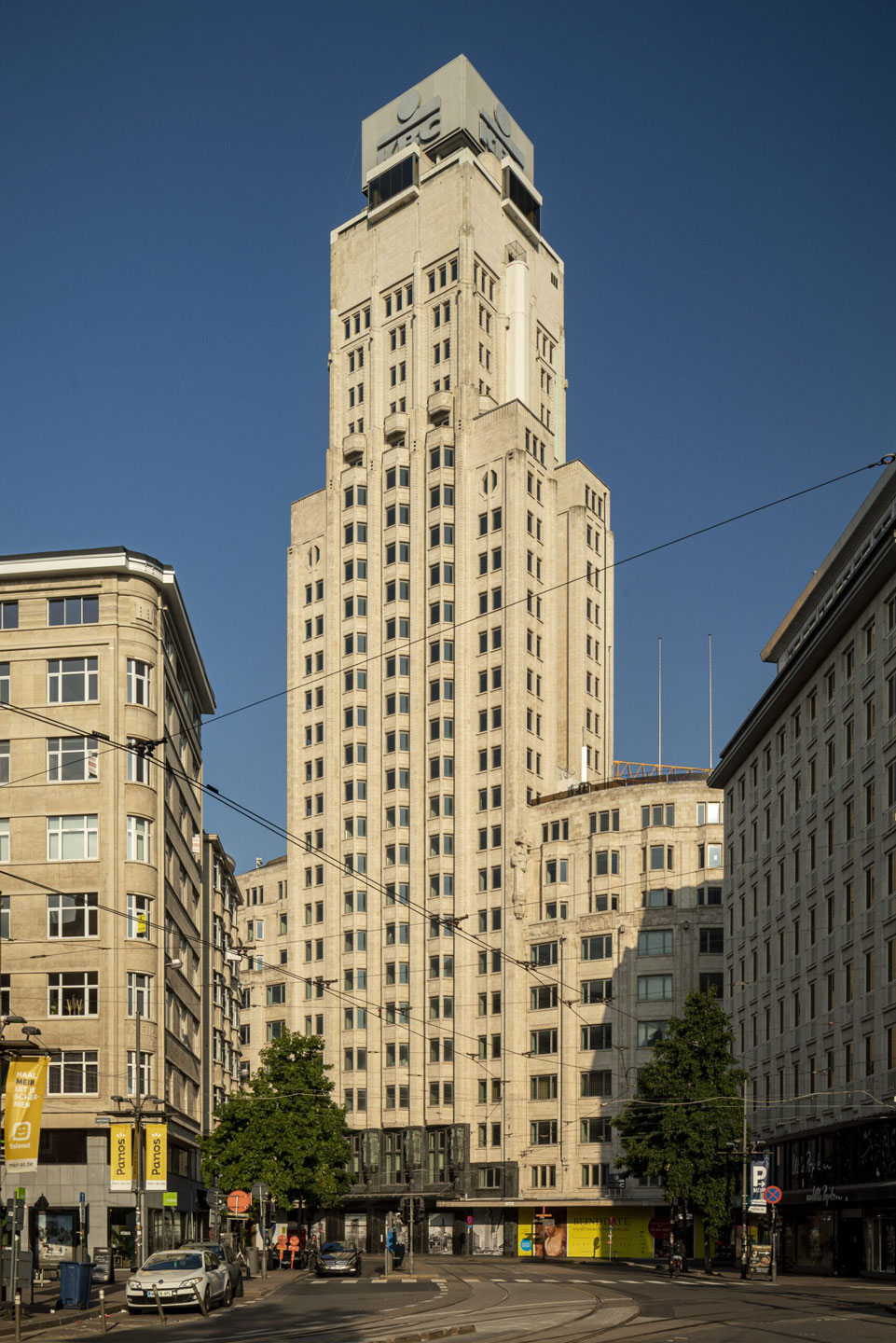
The third tower is Oudaan, designed by Renaet Braem, housing Antwerp’s Police department since 1966, until 2016 when the building was put up for public sale by the city, as Police were designated to move to a newly built department building, located in Berchem, rather than the city center. A group of architects attempted to buy the building through crowdfunding, from the belief that you can’t just sell a piece of architectural heritage to the highest bidder. Their call to action became a movement, under the name ‘We kopen Samen den Oudaan’ or ‘Together, We’re buying den Oudaan’, and reached national news.
As architect Braem once said, it was a “tower for the people”. Through extensive research, debates and citizen surveys, the group garnered a strong vision for the Police Tower, carried by the people of Antwerp. Yet they had to withhold because Police would reside until at least 2019, and were overbid 2,5 times the asking price by developer company Winvest. In 2022, the police moved out and since then it has been empty and unused, without a clear idea for its future, although it seems likely that Winvest’s intention is to turn the people’s tower into high end apartments.
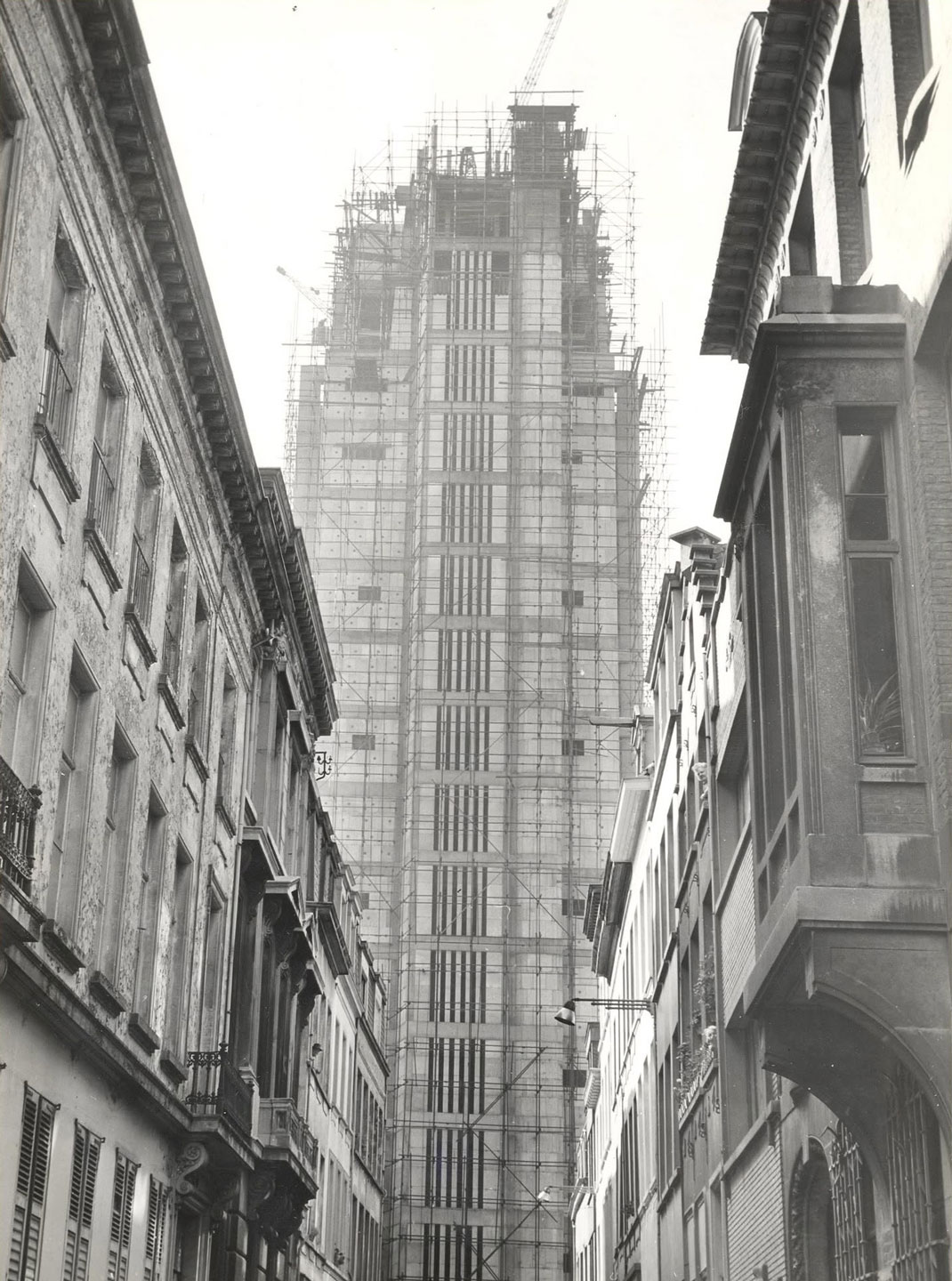
We can ask ourselves when and how much a city municipality can extend leverage and control as to what happens with its architectural heritage, wether it be “ugly”, in the case of A-Tower, or of monumental value, especially as demand for cultural and creative free spaces increases and gentrification seems to be unable or have difficulty to absorb them in the process.
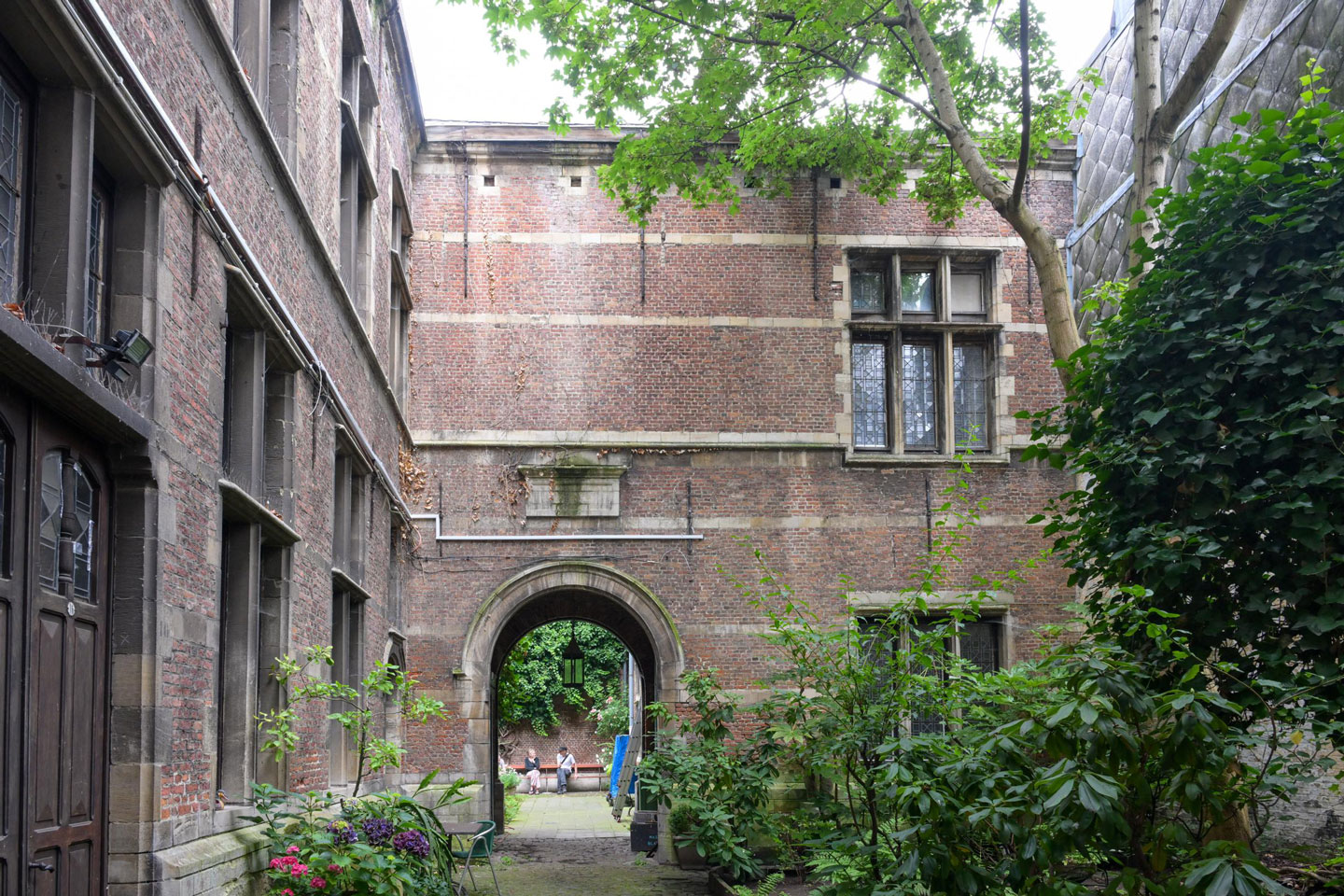
And only last week (at the time of writing), the non-profit Ercoland delivered their bid for the historic Ercola artists building, a very similar case of that of Renaat Braem’s police tower. By the end of June, they should know if they are able to buy, or rather keep, their more than thirty artist studio’s and collective, which has existed for over 50 years in the 17th century building.
At the time of publishing, Ercoland has successfully purchased Ercola.
So for now we continue to travel. From building to building. Street to street. Forever in transit, adapting as we go. And there does lie great value in temporality. Klub Goud has only garnered a more precious place in the hearts of the people of Antwerp exactly because it was so short lived. We anticipate the arrival of the circus, of the festival. We look forward to it and feel an energy build up towards its moment of happening.
When the first frames are built and the event starts to take shape, that anticipation only grows. We get ready and transform personally as well. Outfits prepared, pre drinks, the train-bus-car ride, the walk up to the entrance. Nearly unable to contain our gleeful excitement before we enter the tent, this different world, where we are to witness the unexpected, the magical, the enticing, the surreal. The circus. The festival. Until we walk out, back into reality. A lot happens ‘there’ and ‘then’, which because it is bound in time, fleeting, makes it all the more special.
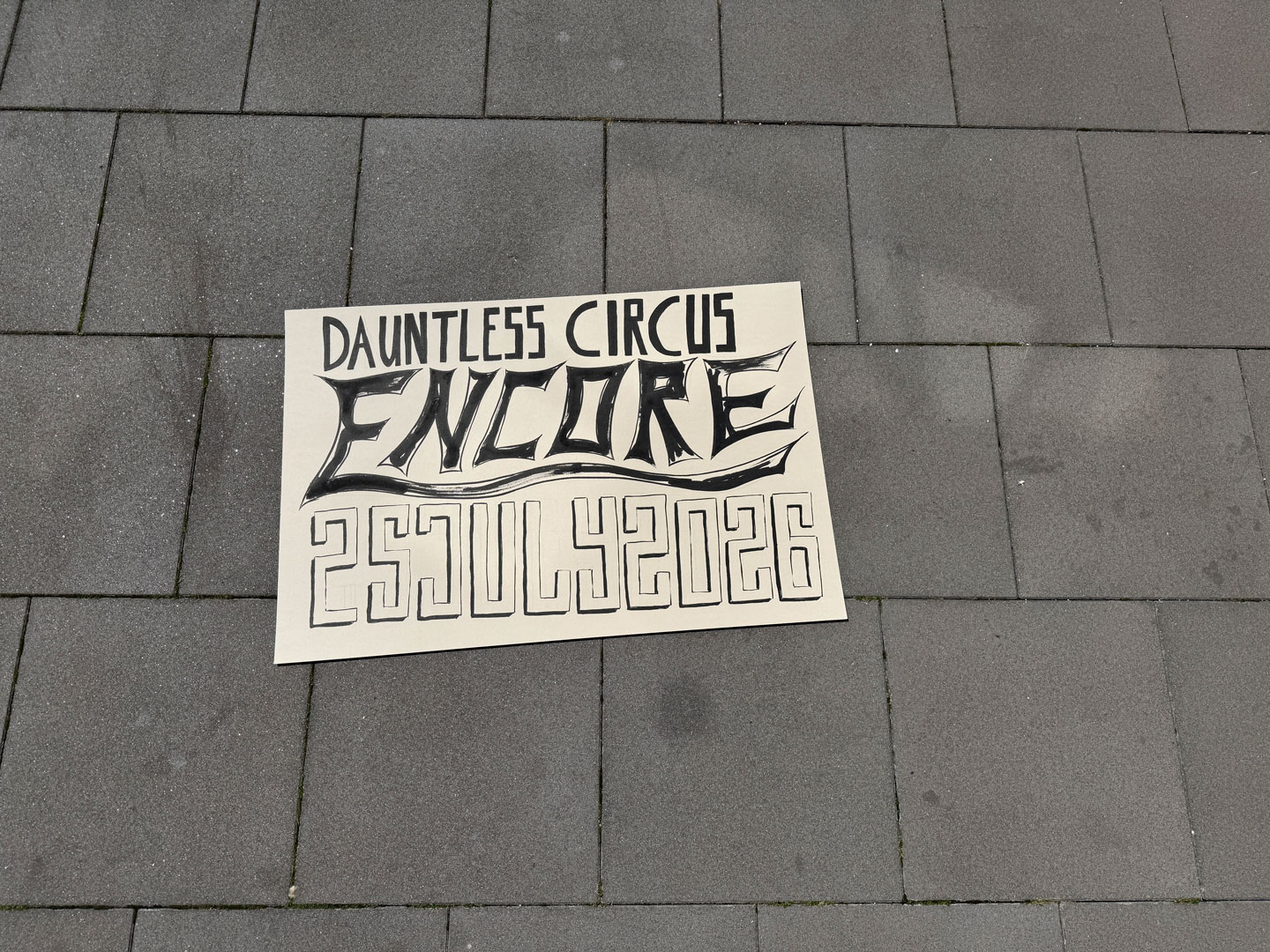
Therefore: Encore. We come again. And again. Until we can’t no more.
The company of the Dauntless Circus this year consist of artists Ine Kools, Leander Schönweger, Pieter Van den Bosch, Zita Van Snick and Arno Verbruggen.
Ine Kools
Ine Kools is inspired by how our body movement is influenced by our surroundings. Perceiving it as a constant change in unison with the urban environment in which we live, moving together as time moves on.
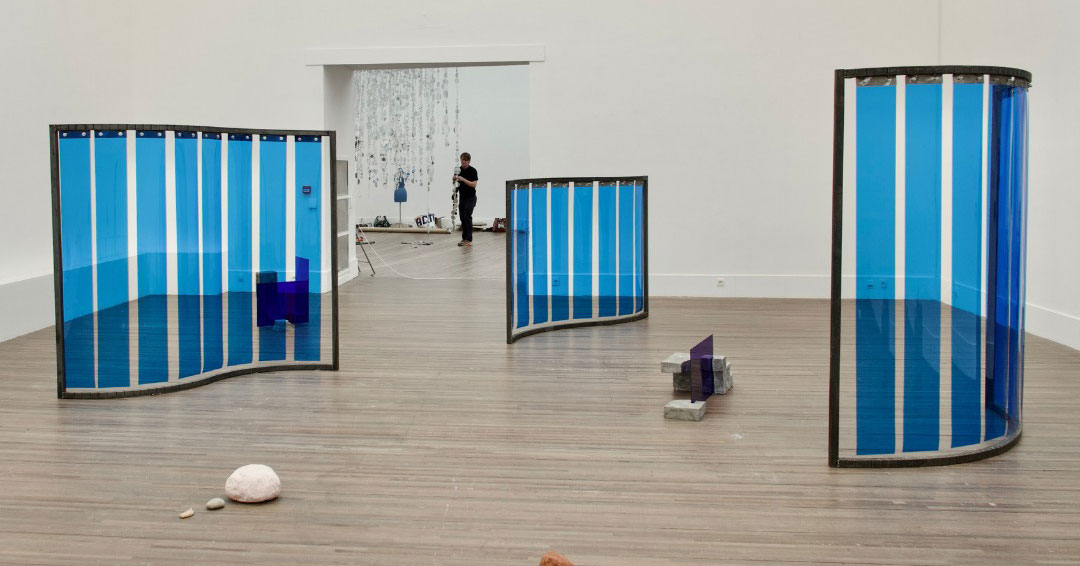
In her installations, Kools invites the visitor to wander through the surrounding space of the artwork. Her structures transform the room and kindly force the visitor to walk a certain path. Consequently, making the visitor slow down their pace and giving them the urge to look around. This creates an environment that makes visitors think about their own spatial judgment and choices.
For Doel Festival, Ine Kools will create a maze out of plastic strip curtains. Visitors of the festival are invited to wander trough the installation and chose their own path. Looking through the striped pattern, the environment changes. The abandoned buildings, homes and street become alive again as visitors play trough the installation.
Leander Schönweger
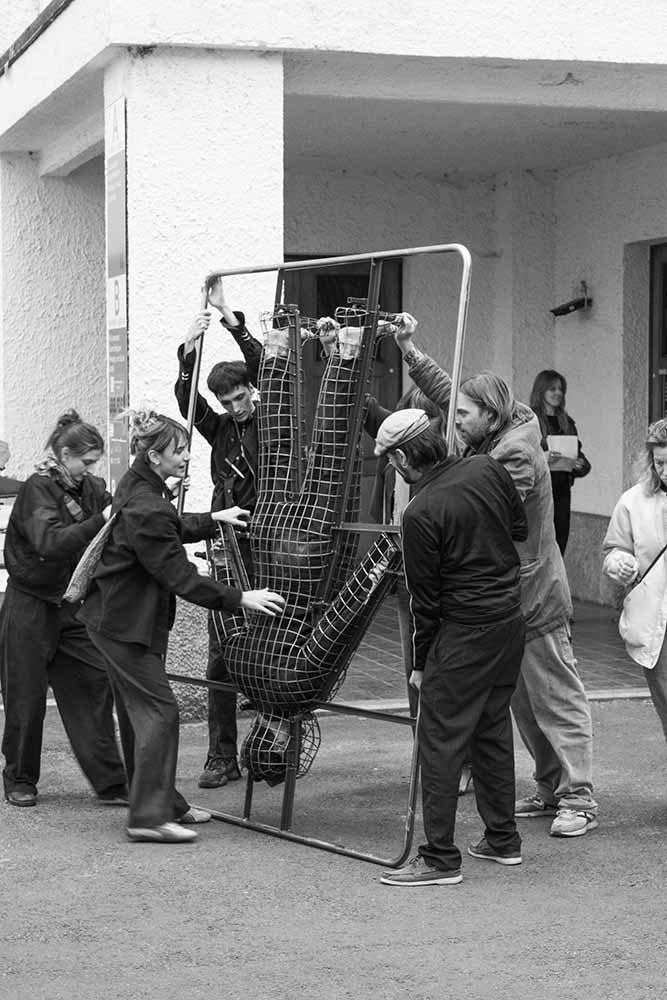
Schönweger’s work unsettles the balance between exposure and complicity. What does it mean to be free? And what happens when that freedom is no longer one’s own?
The human cage removes the façade of the social self. Inside, the ability to perform one’s role is stripped away. Autonomy and agency dissolve until the body is reduced to a fragile object. Naked, pure, and cut loose from its reference field, it becomes a commodity, charged with fetish and projection.
What remains is transparency, perhaps too much of it. Is it liberating, or unbearable? When integrity is taken from the one inside, it does not disappear, it transfers, pressing on those who watch, those who hesitate at the threshold.
Leander will present his Human Cage #2 at Doel Festival, allowing visitors to be caged at their own will.
Pieter Van den Bosch
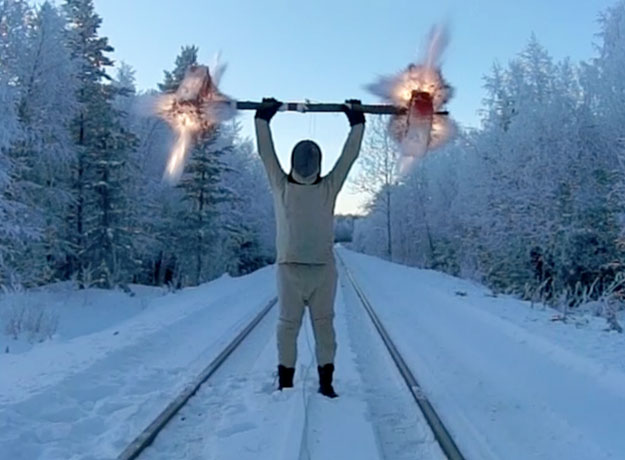
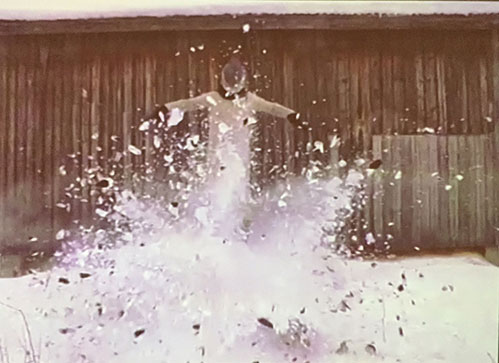
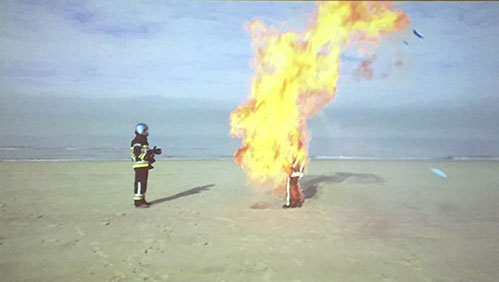
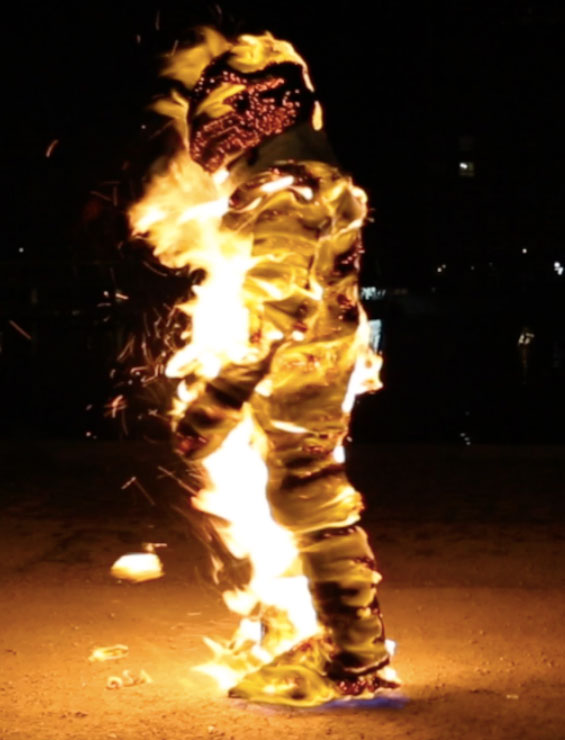
Pieter Van den Bosch works with luminous, pyrotechnic and explosive substances as art medium. He developed his expertise through training in pyrotechnics, large-scale fireworks, blasting and civil safety. His transdisciplinary oeuvre spans creation using energetic materials in performances, videos, sculptures and various kinds of discharges. In its most essential form, the work can be considered immaterial, as it concerns the process between material phases.
During Doel Festival, Van den Bosch will activate a pyrotechnic sculpture around sunset. This sculpture is an ode to the night — the darker hours of time during which most people are simply asleep. It is in these dark conditions that there remains much space and time for things that pass by unnoticed in the rush of daily life.
Zita Van Snick
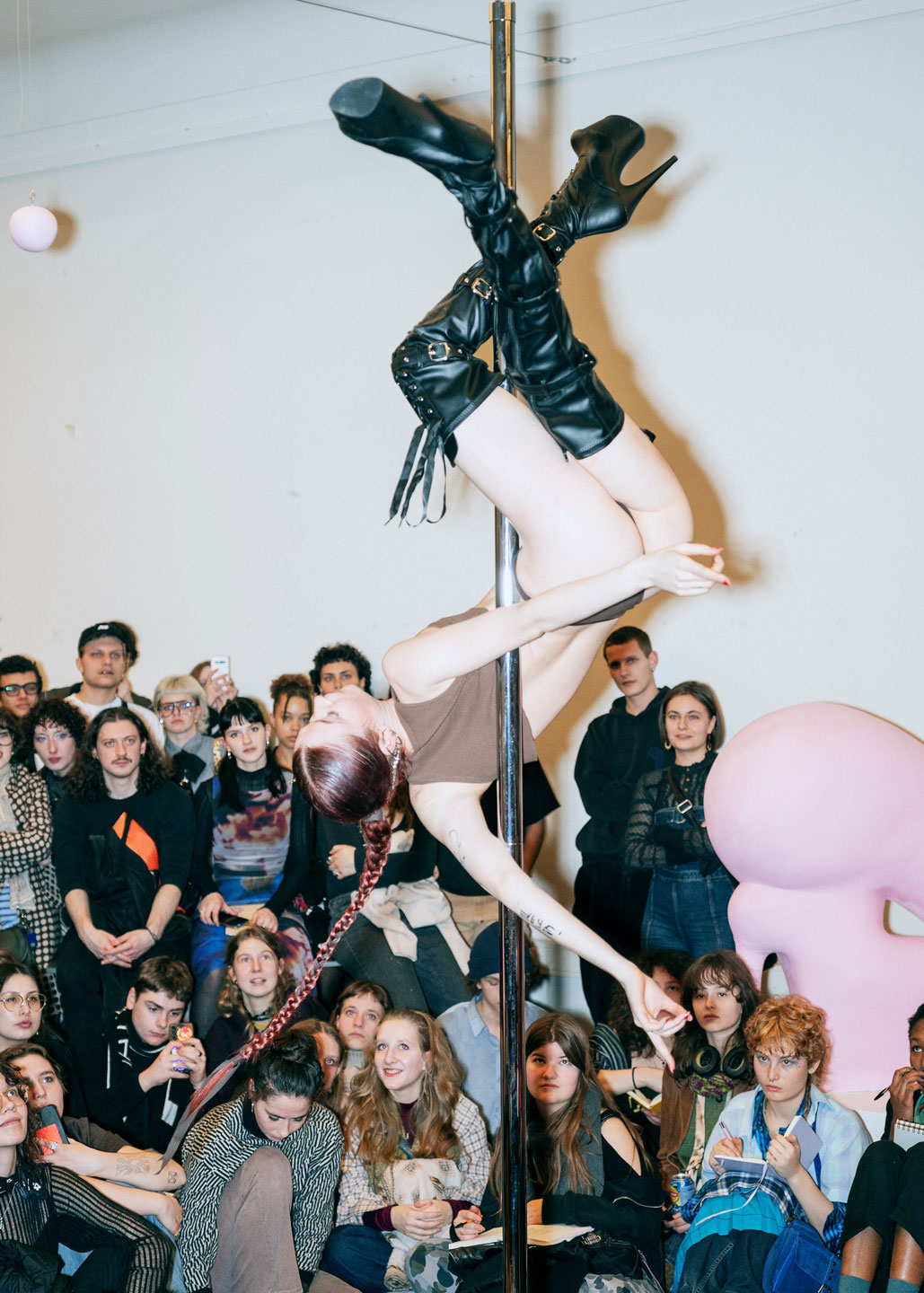
Zita Van Snick is a multidisciplinary artist working through painting, sculpture and performance. Her artistic practice is a form of self-expression, with the empowerment of feminine strength at its core. Through dance and movement she captures fragments of the body in motion, using poses and gestures discovered through her own physical exploration. She then deconstructs these forms through collage and reconstructs them into new compositions, creating a visual language that moves between abstraction and recognition.
For Doel Festival she will present a new pole dance choreography set to industrial music. The performance reflects her ongoing exploration of the body as a tool for expression and transformation.
Arno Verbruggen
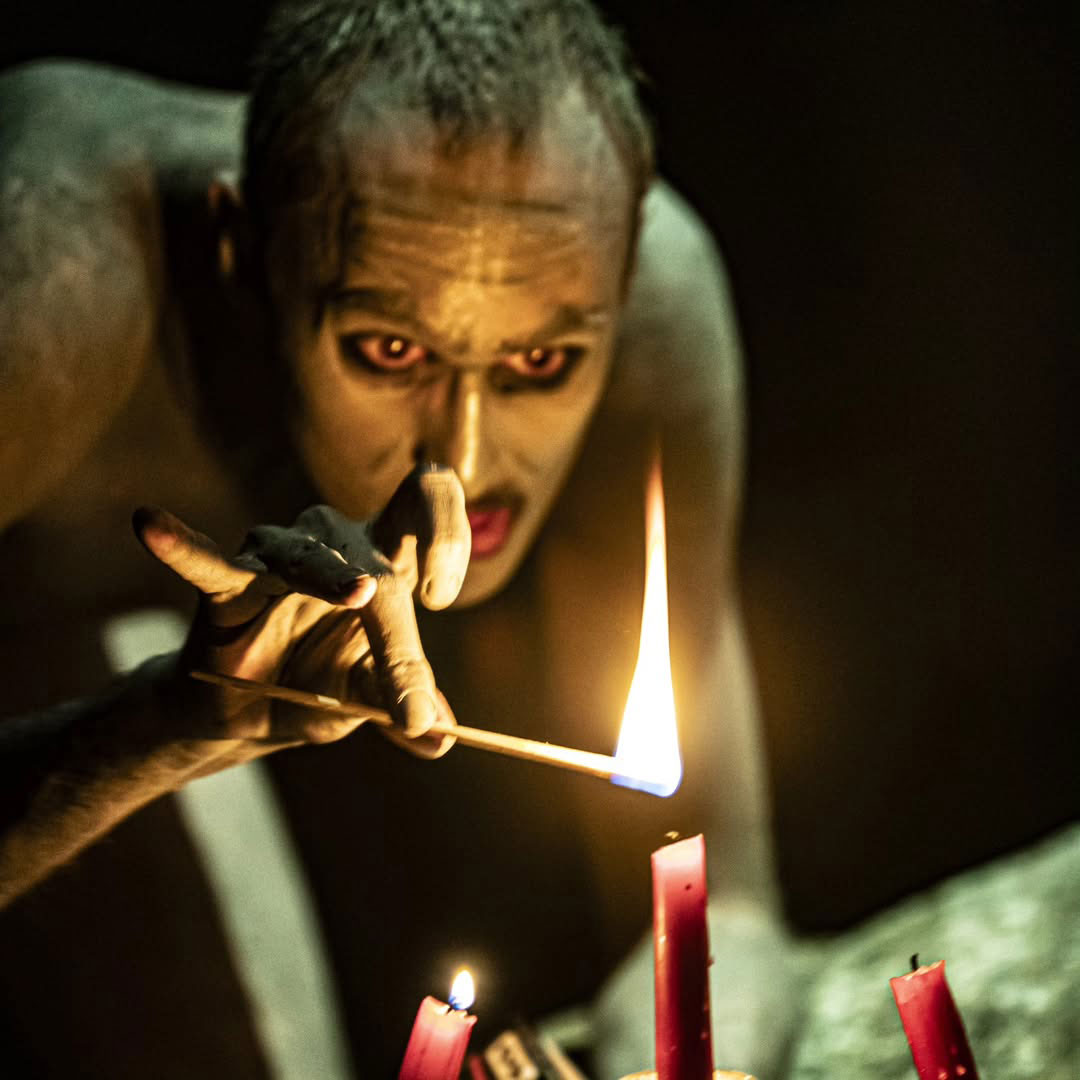
Arno Verbruggen (they/them) is a Brussels-based interdisciplinary artist working across dance, choreography, directing, and performance. Their practice merges movement, text, sound, film, and fashion into immersive and emotionally charged experiences that blur the boundaries between disciplines. Through a bold and poetic visual language, Arno explores themes of identity, transformation, sensuality, and liberation, often drawing on queer perspectives and mythological narratives.
SPRING is a nomadic performance intervention by Arno Verbruggen, created for 09h30–05h30 in Antwerp and reprised at Doel Festival (2026). Half prophet, half diva in crisis, the work follows a celestial figure attempting to resurrect spring through absurd rituals, public seduction, emotional collapse, camp excess, and ecstatic celebration.
Dauntless Circus Encore is carried by its participating artists Ine Kools, Leander Schönweger, Pieter Van den Bosch, Zita Van Snick and Arno Verbruggen.
Dauntless Circus Encore is curated by Benny Van den Meulengracht-Vrancx in assignment of Doel Festival and A Greener City VZW.
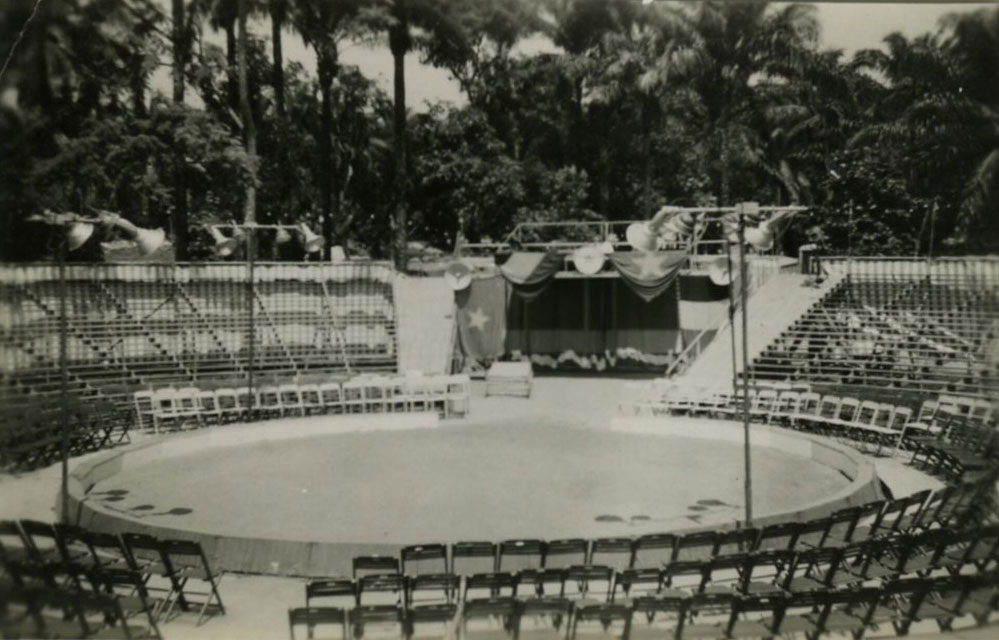
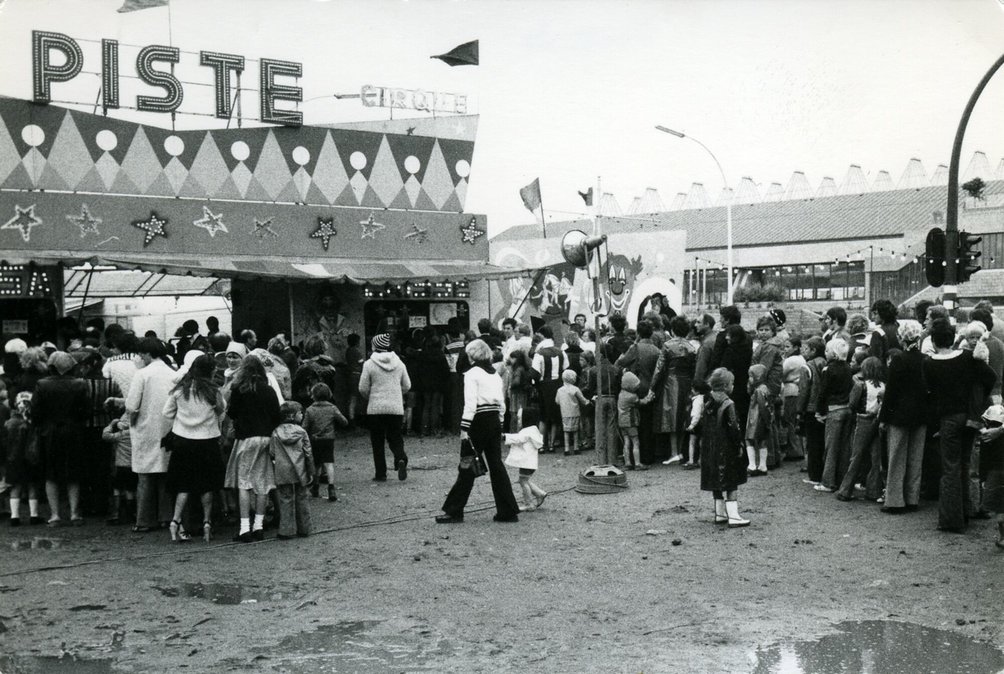
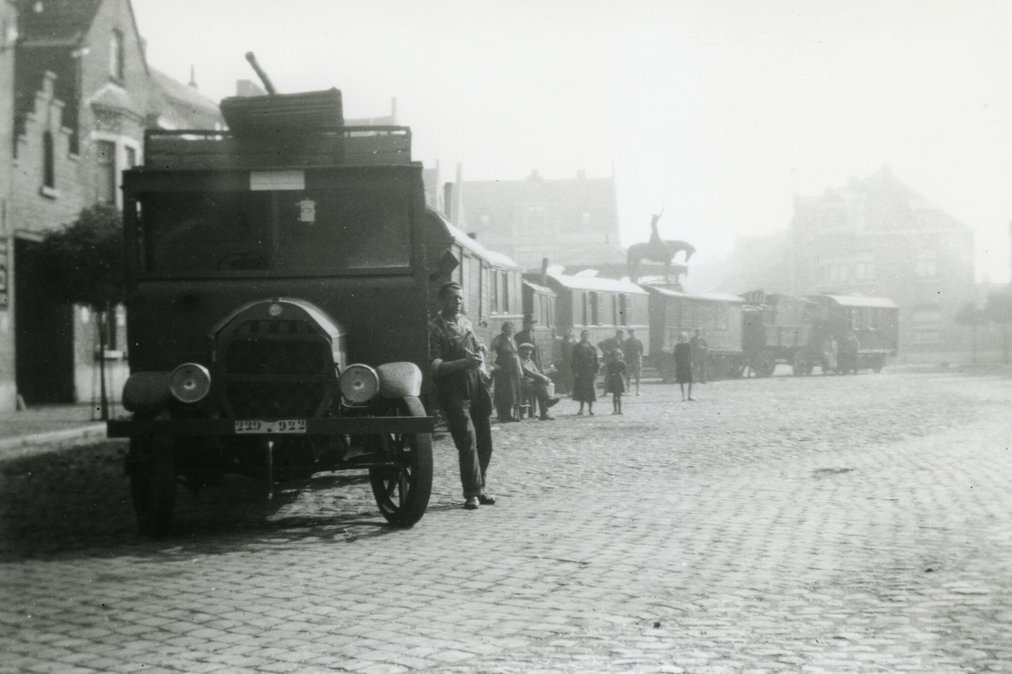
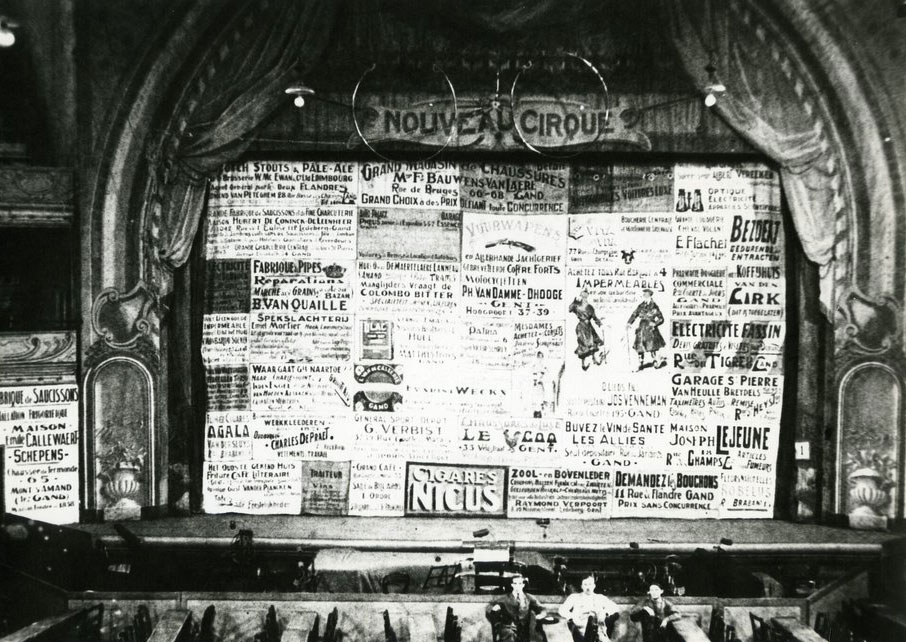
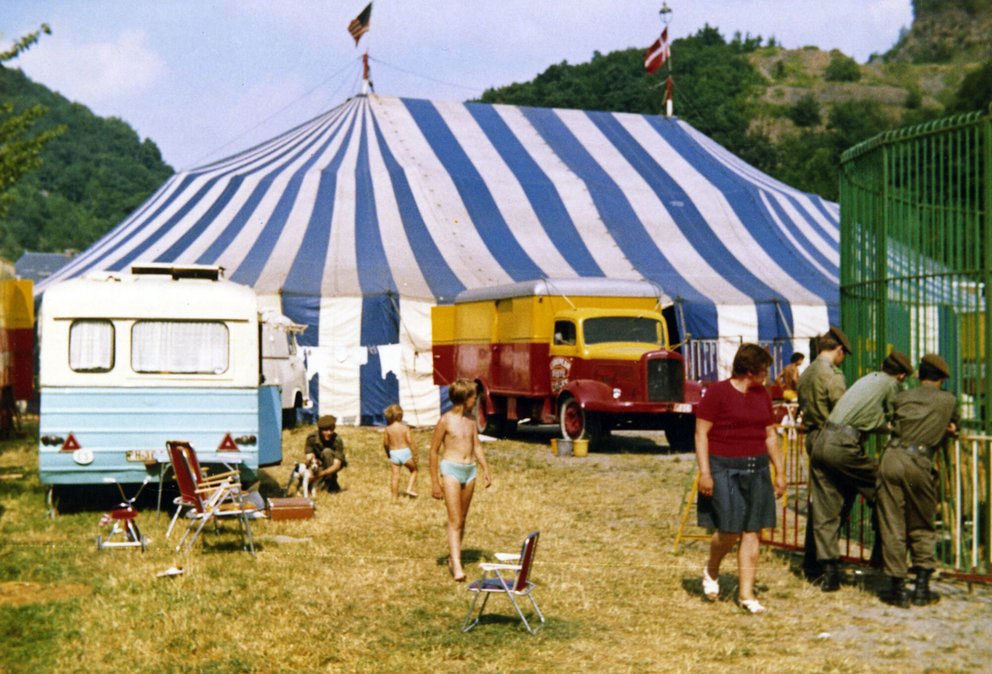
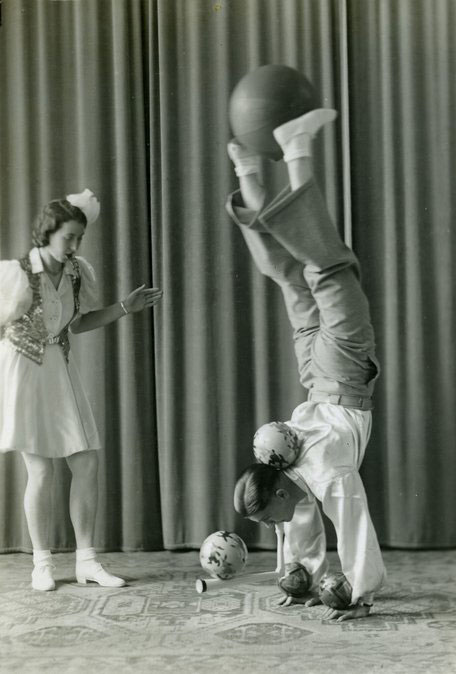
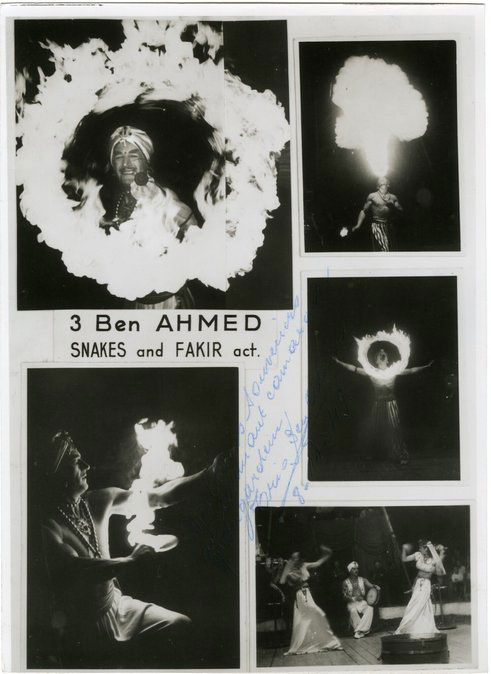
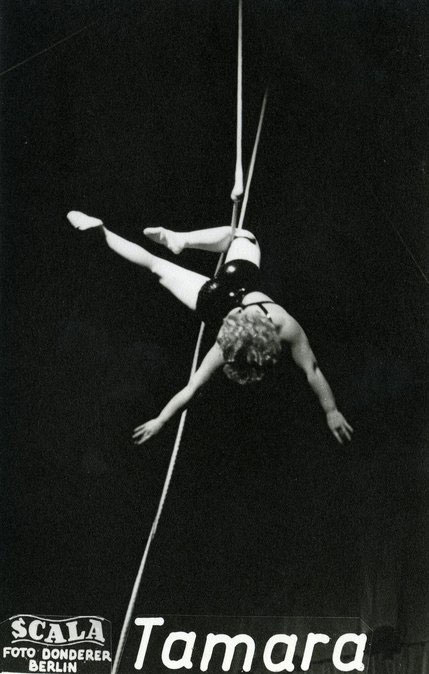
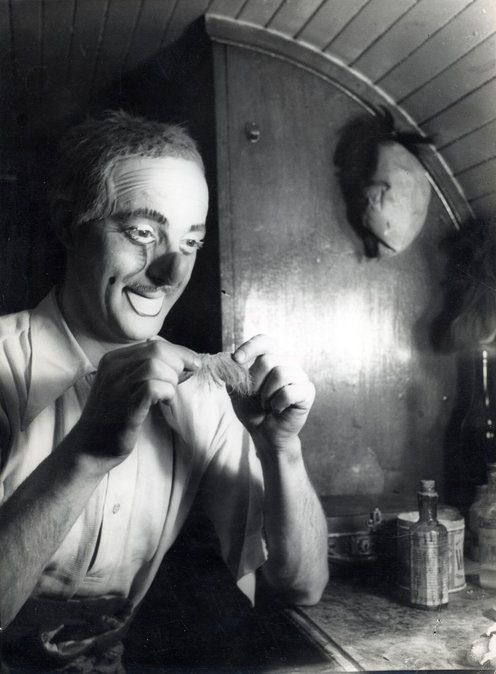
All circus photography is taken from the archives of Huis van Alijn, documenting the Belgian circus in the previous century.