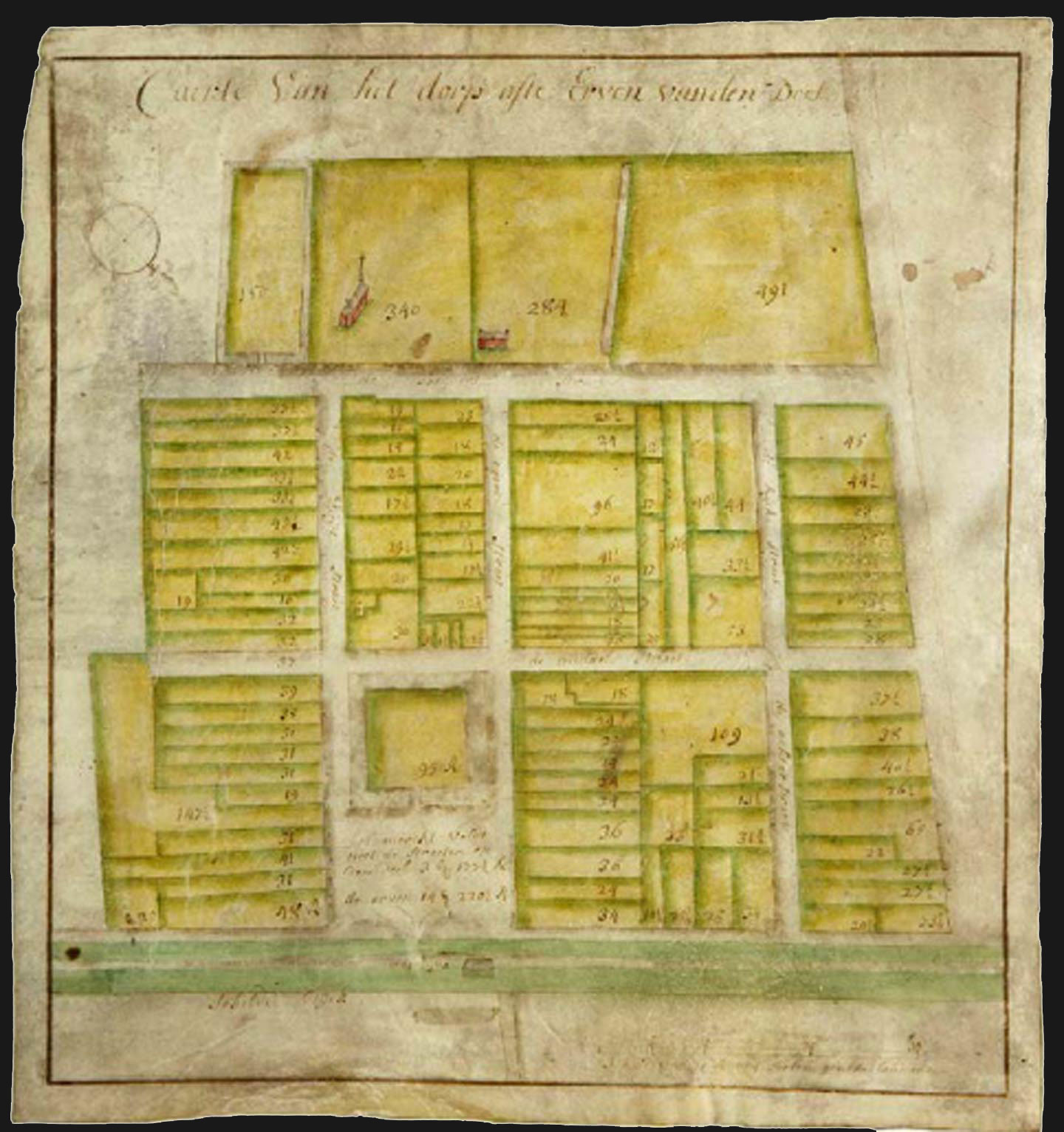
One thing that’s immediately apparent when entering Doel are its perpendicular streets.
A type of street lay out quite unfamiliar in Belgium, as with most European cities they’d expand around a center point, usually a church, city hall or large square, moving outward organically in circles, like spider web patterns.
But in the early 17th century, after the surrounding land was re-embanked and laid dry, the village of Doel was designed in a checkerboard pattern, in support of the local agriculture, to easily part each lot. The village was designed along a clear, dual axis, stretching between the harbour on the Scheldt in the east and the church and the 'Hooghuis' in the west. This ensured an organised and efficient flow of goods.
Doel’s 17th century grid stayed nearly unchanged and remains until this day a unique and rare sight in Flanders.
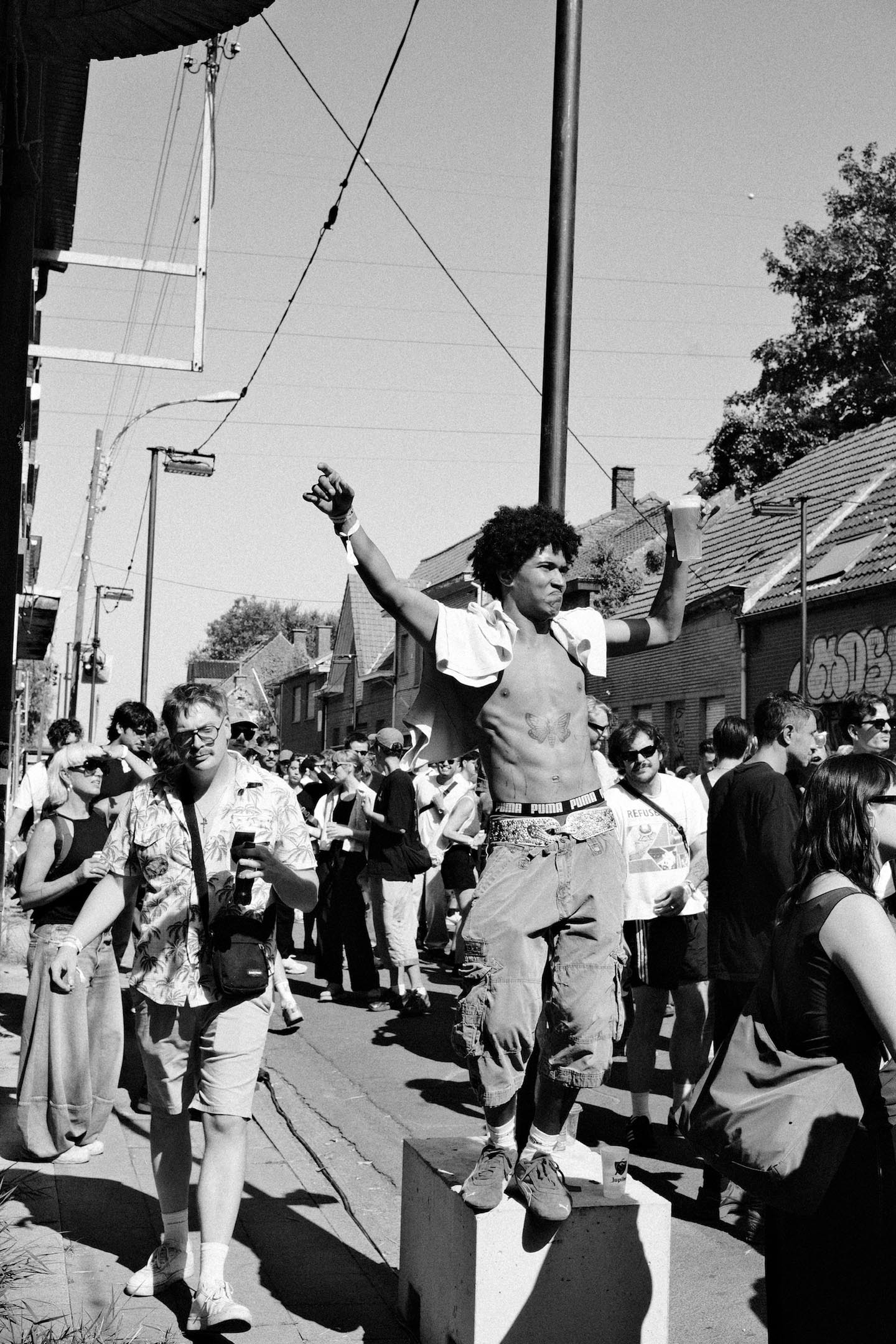
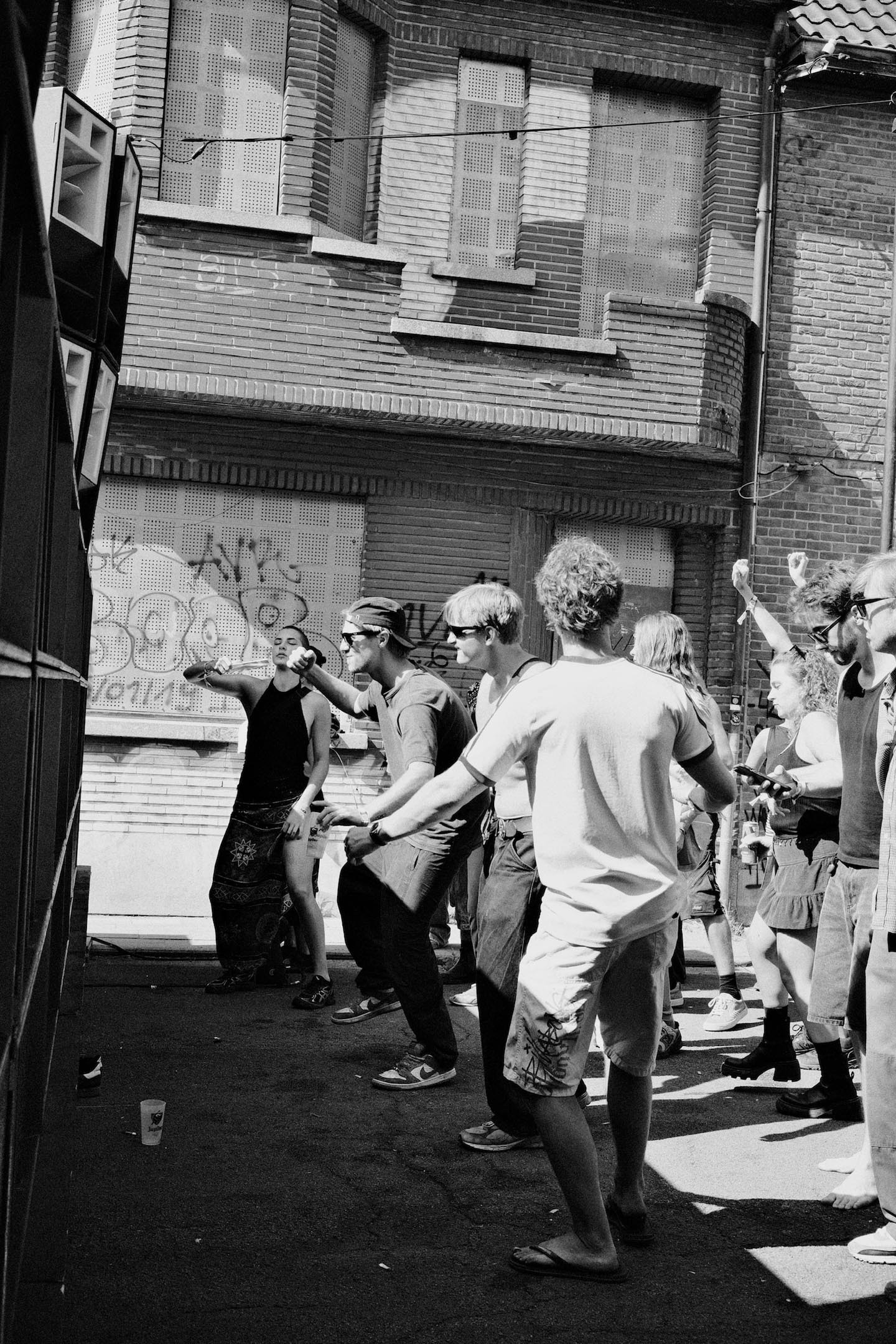
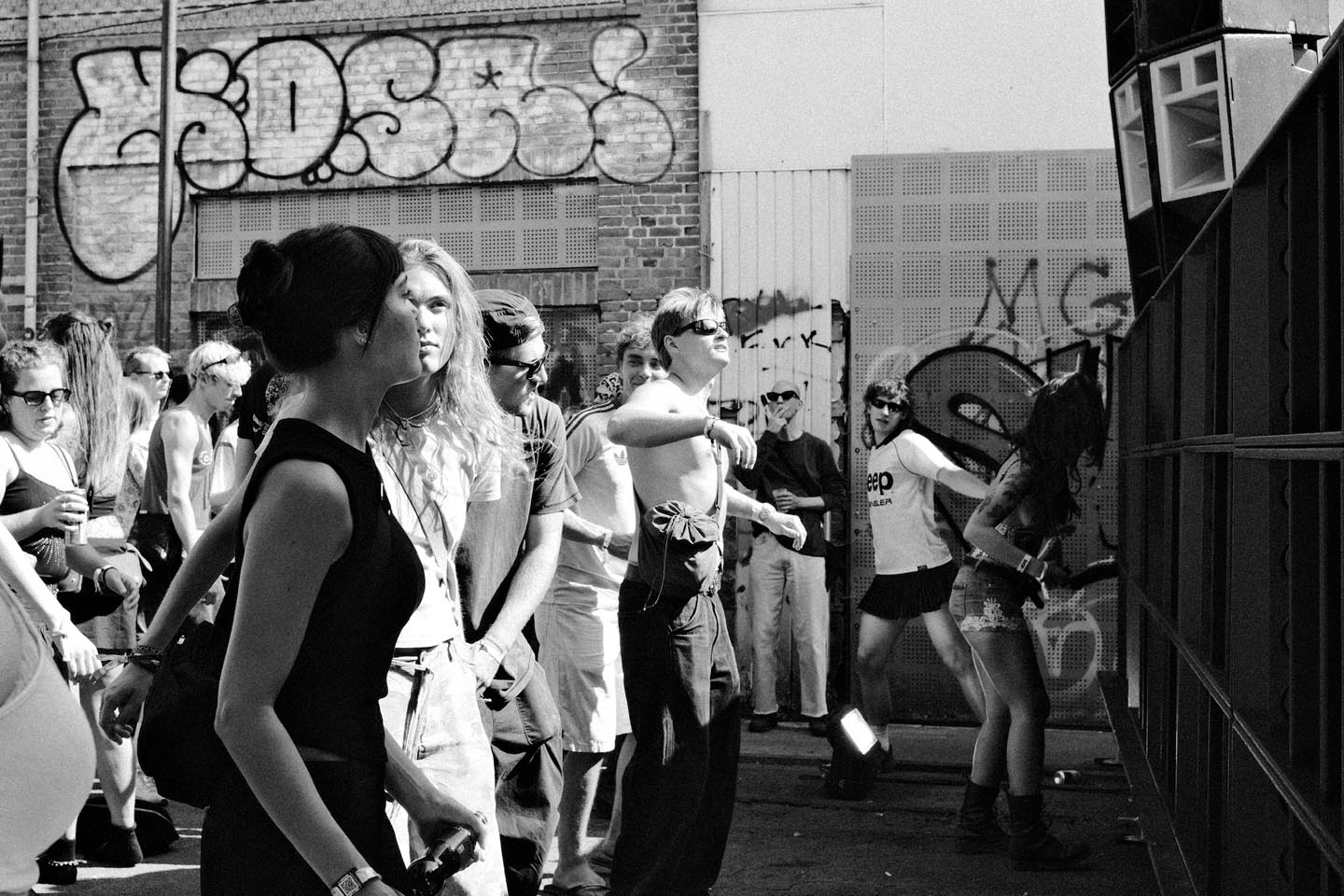
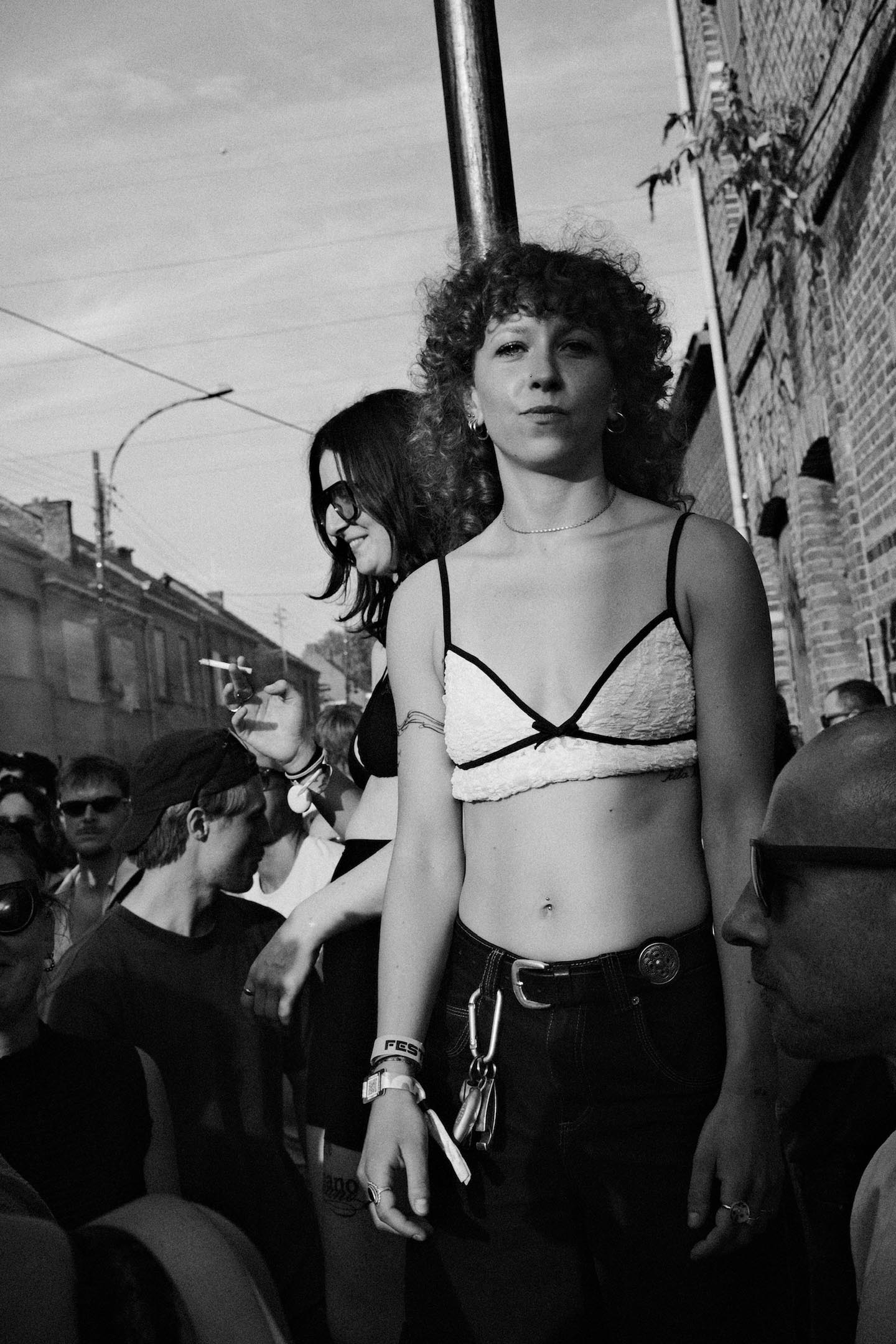
When imagining Doel Festival, our main inspirations from the start have been street parties, the early days of Laundry Day in Antwerp, the first editions of Love Parade in Berlin, and folk gatherings, community driven events, small town celebrations where music, games, dance and food bring people together in the streets. In Flemish we’d call them “braderies”, which could be translated to a street fair. Given the historic grid layout of Doel, we also looked at New York block parties.
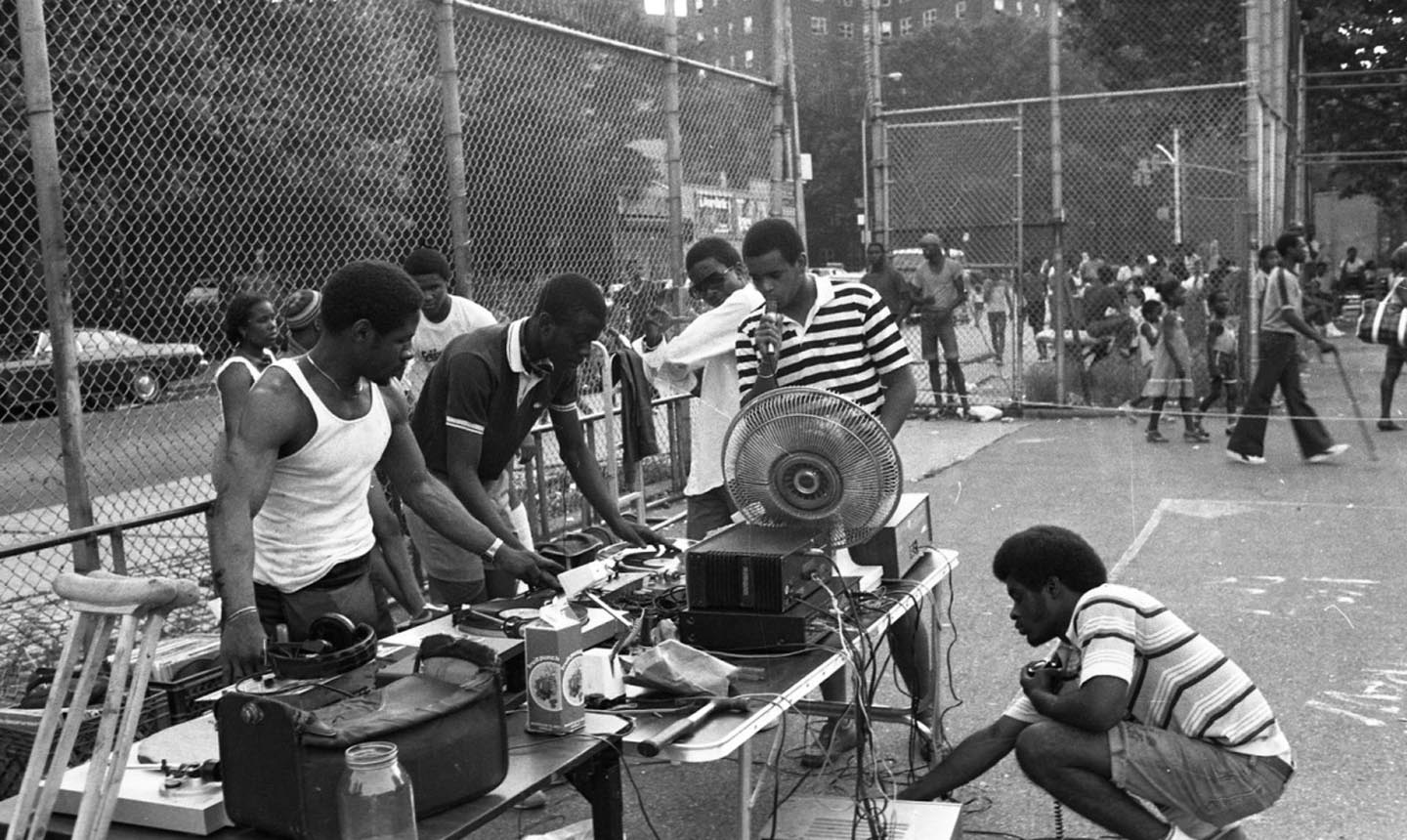
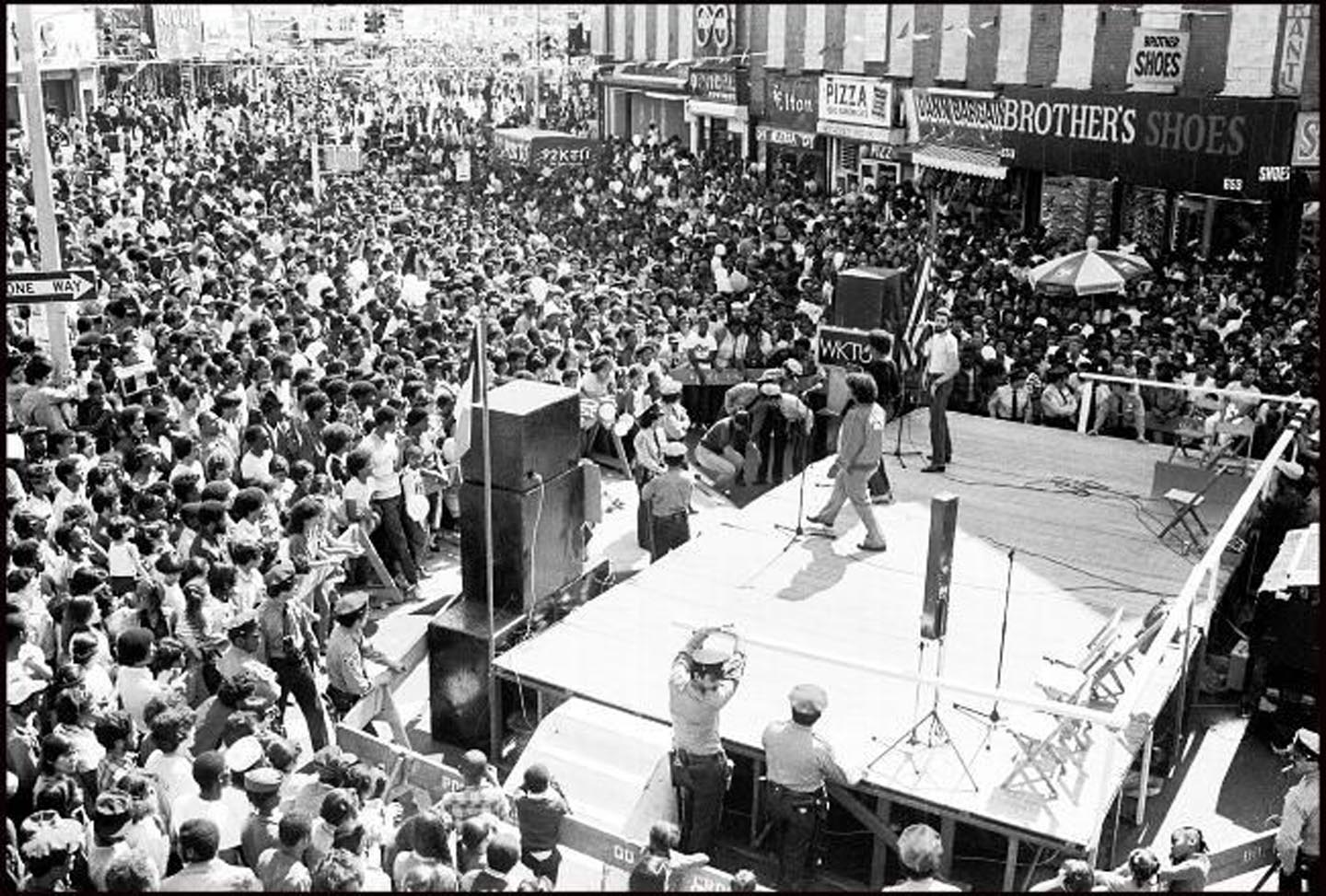
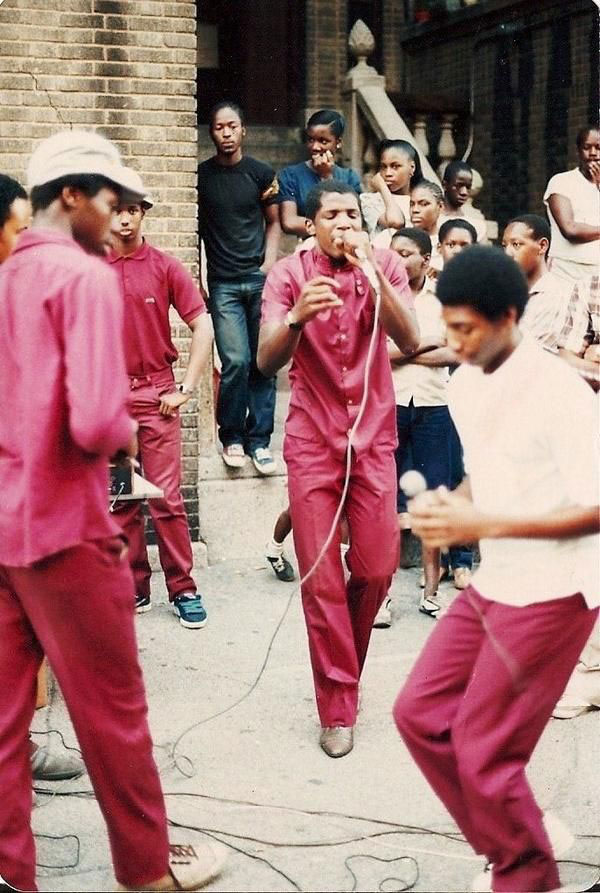
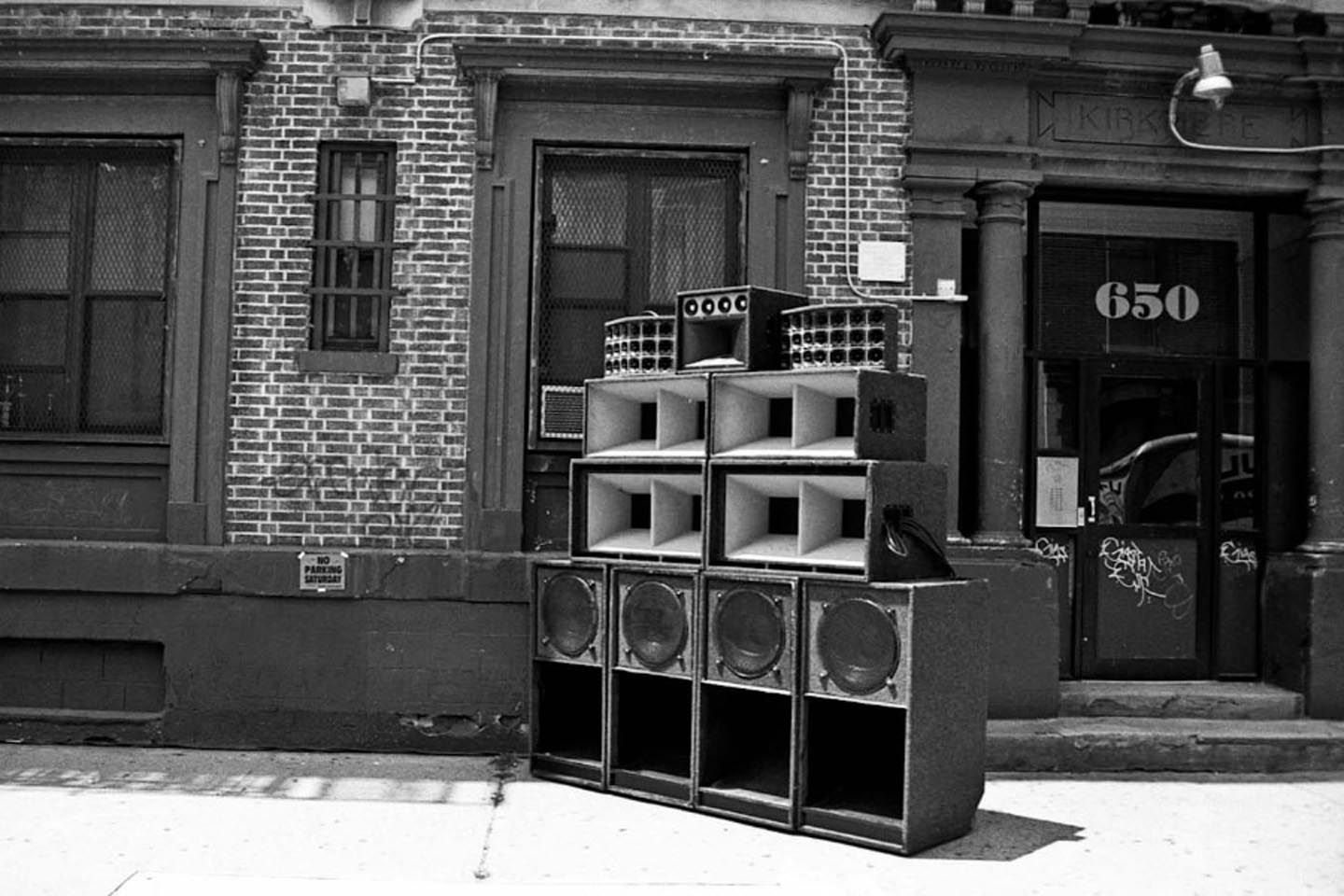
The name ‘Block Party’ comes from the form of the party, referencing the closed off city blocks, made popular in the United States and Canada, reported to be originating in the East Side of New York City, as blocks were closed off to commemorate World War 1 soldiers, who had lived on that block. Traditionally, these were organised illegally, but condoned by municipalities.
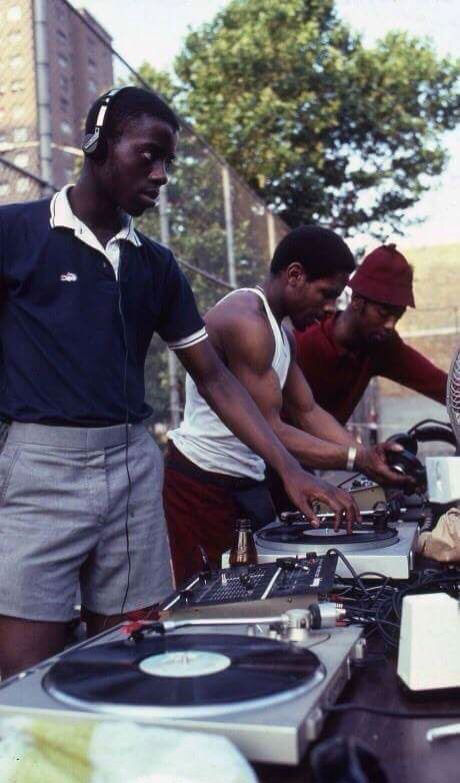
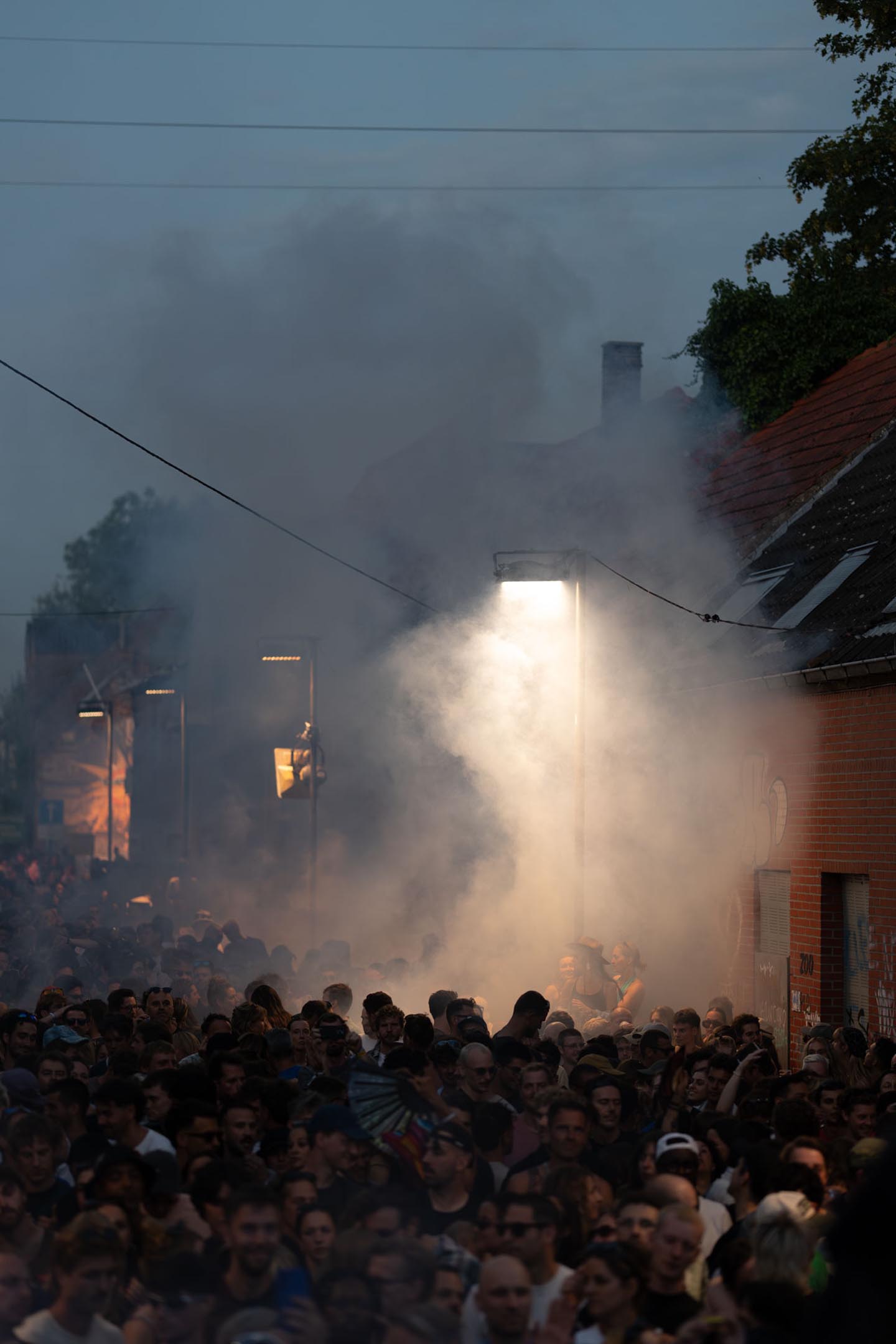
In the 1970’s, particularly within hip hop communities, block parties gained popularity. Large residential gatherings, food and music, powering their sound systems using streetlights. The street wide get togethers from that era may have given us the image in our minds of what a block party is today.
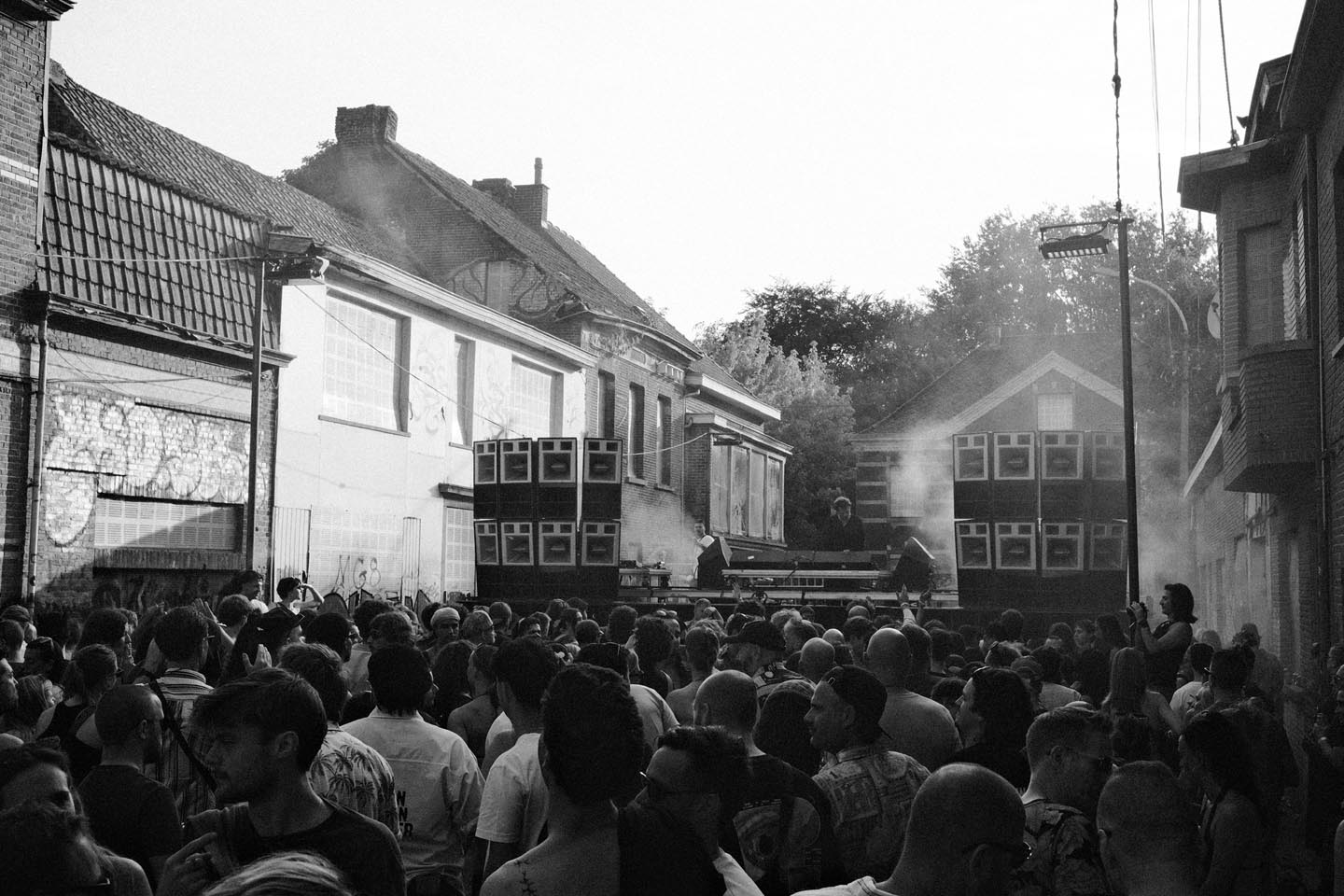
Block parties are also a form of peaceful protest. In the 1980’s, under martial law in Poland, the Orange Alternative organised theatrical events in public spaces as a way to challenge the communist government. And even today, in Belgium, we have DakDak organising dance parades in the streets of Ghent to draw attention to the home crisis, the shortage of affordable homes.
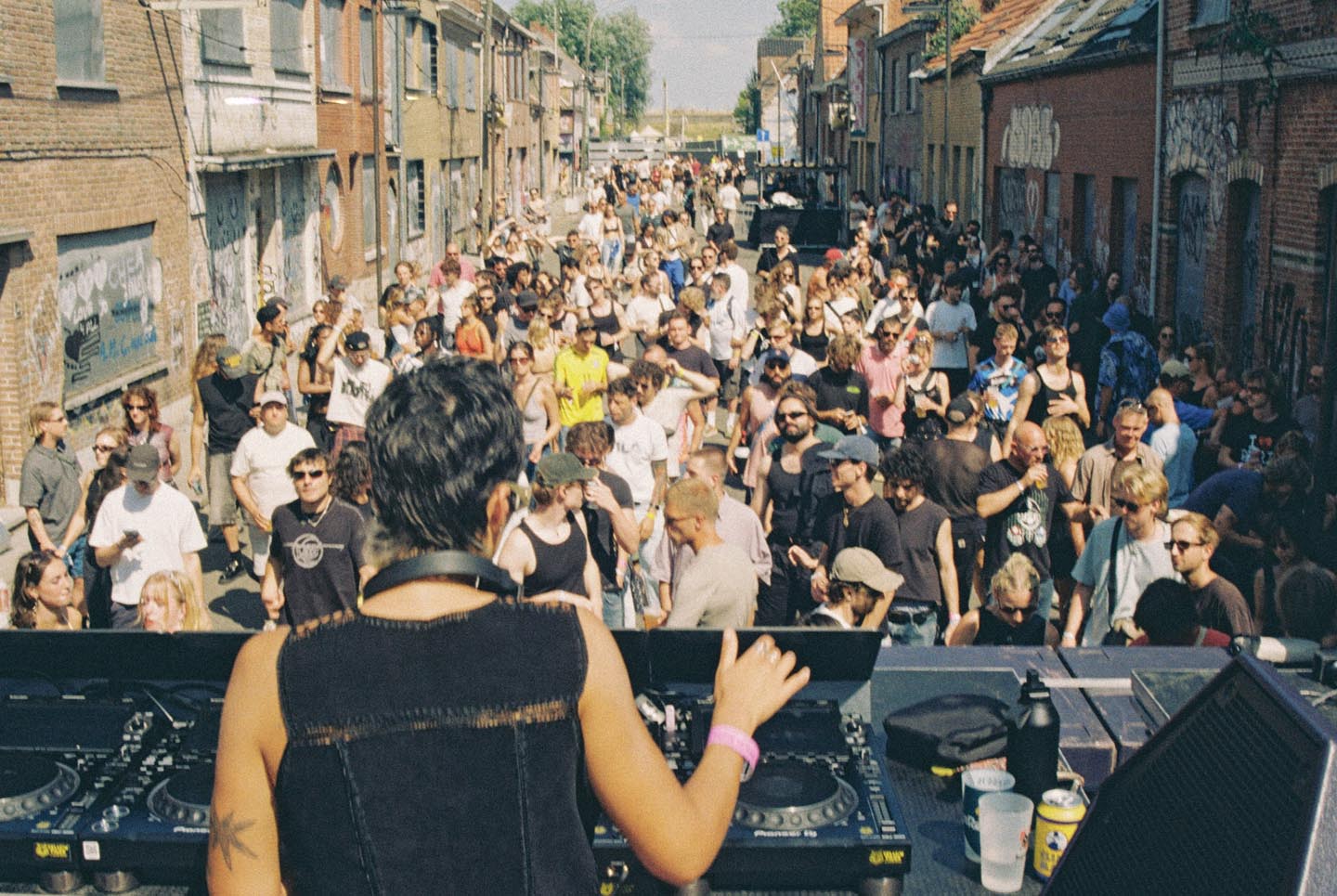
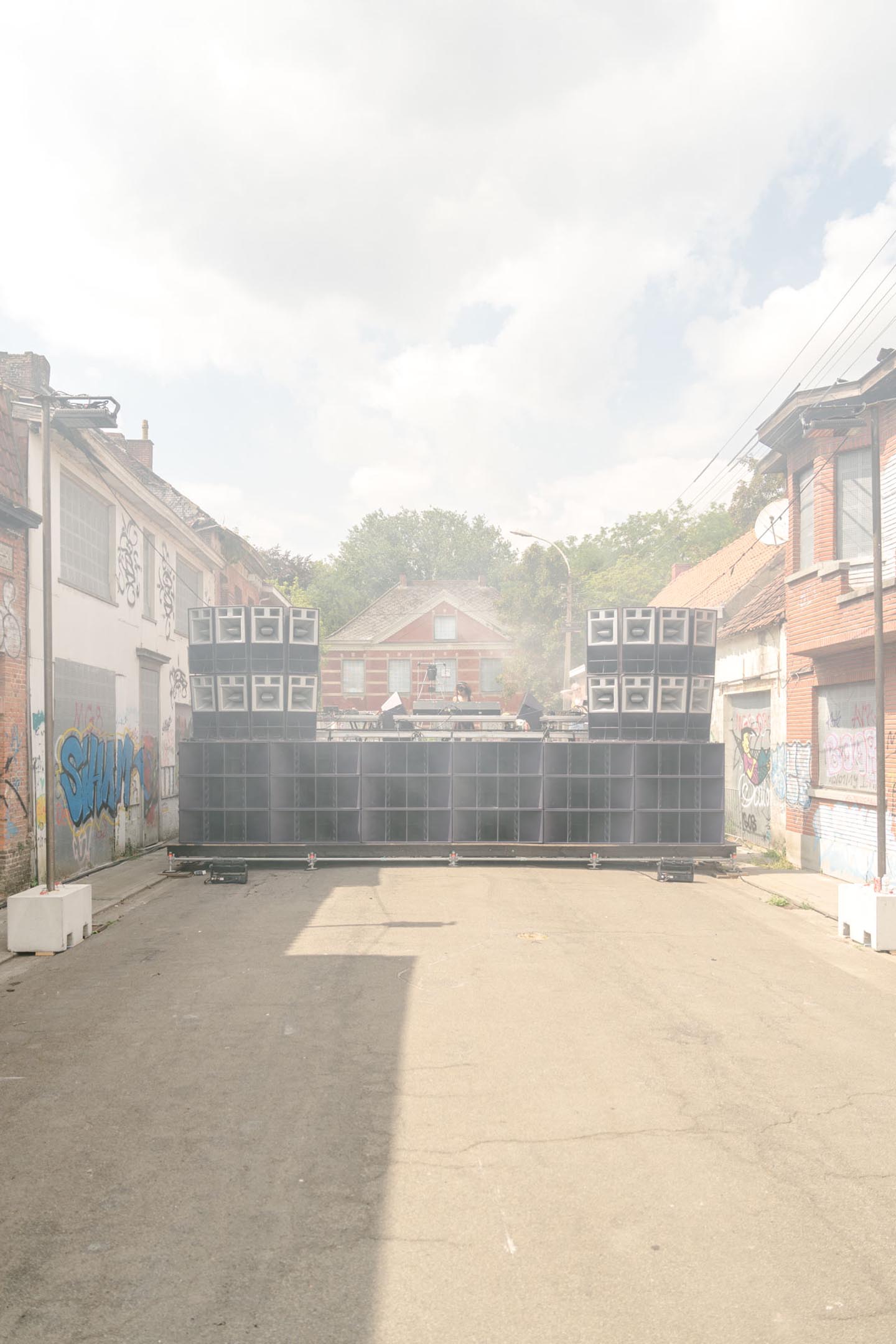
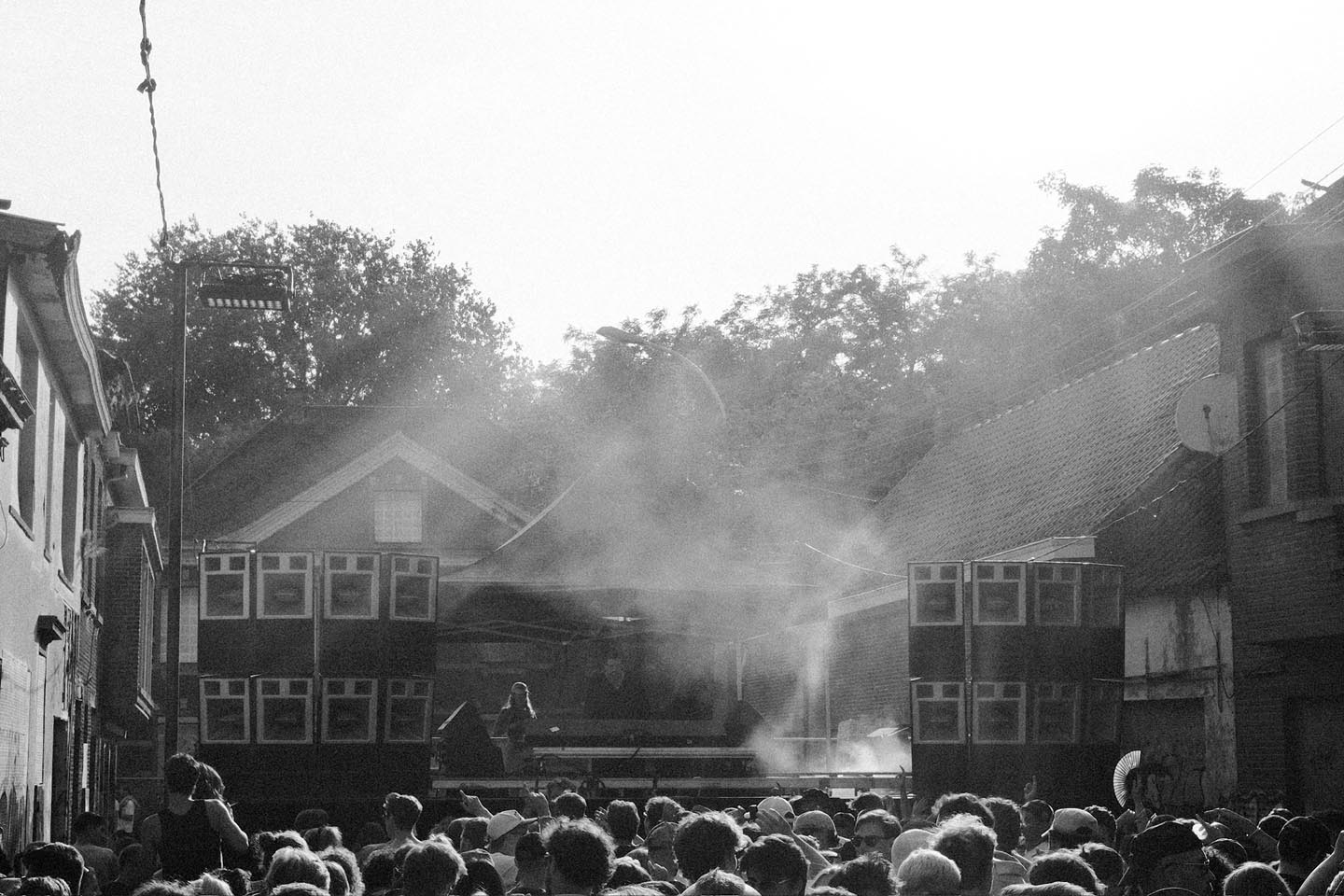
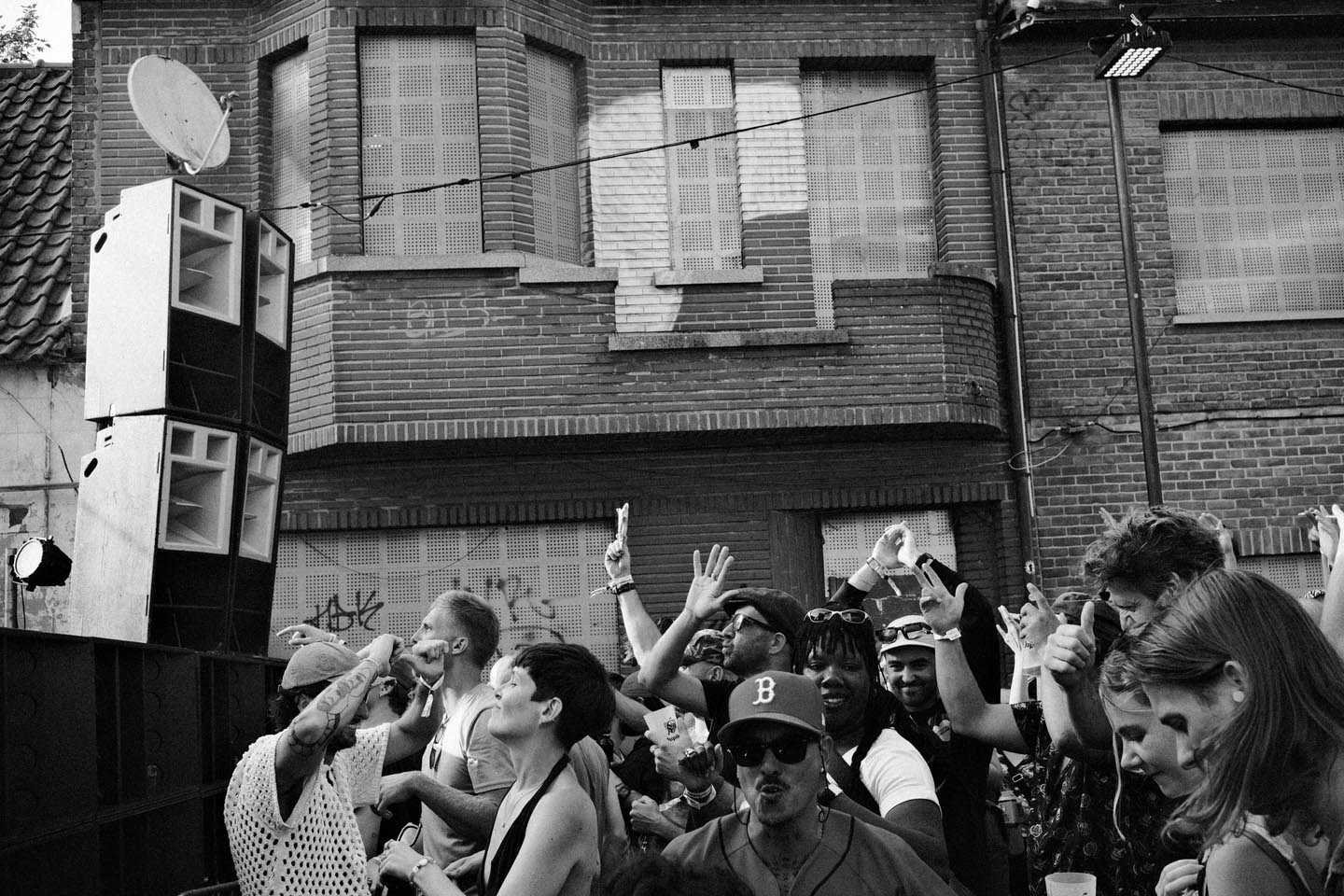
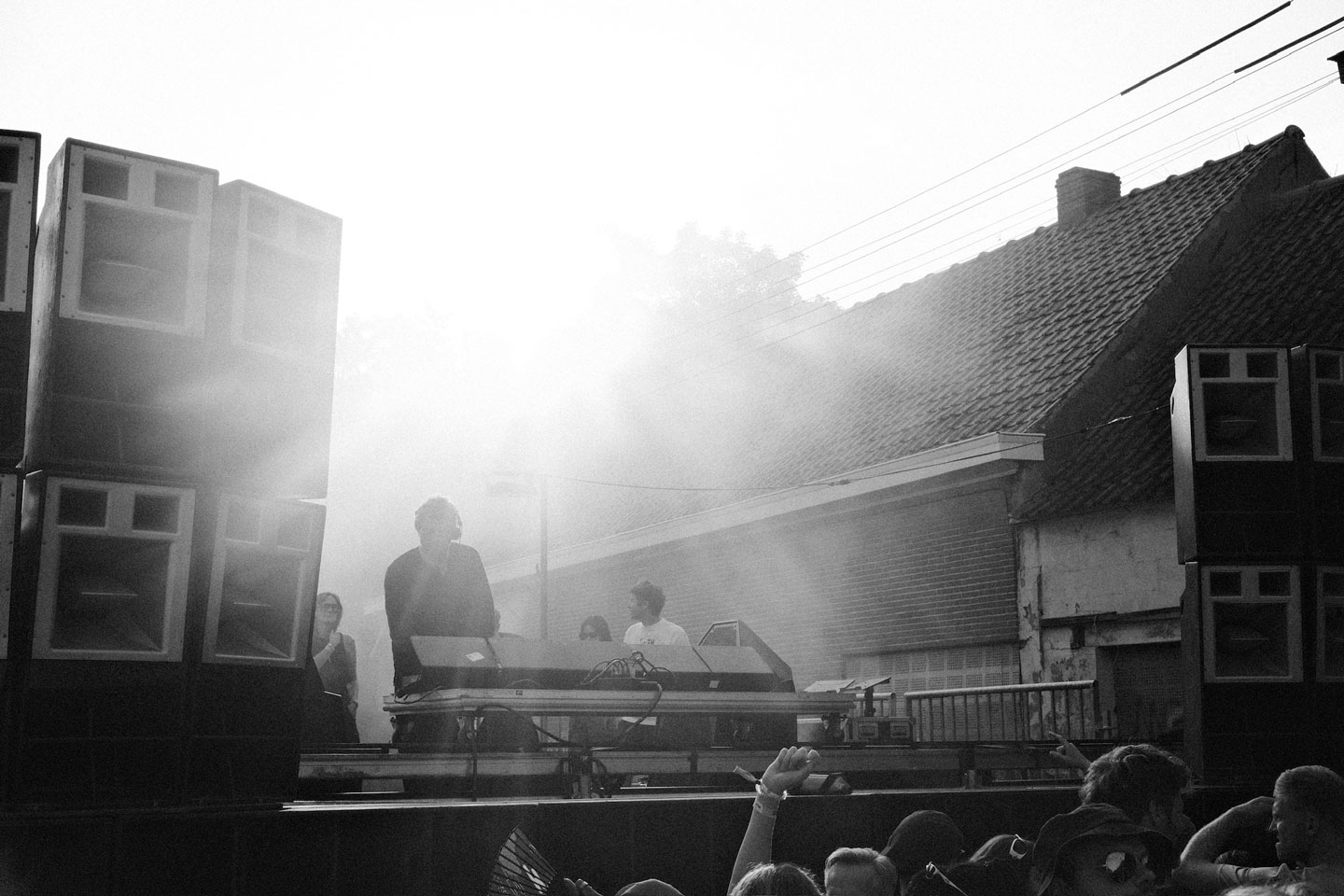
It’s with this in mind that we decided to re-invision our largest stage, the Pastorij stage, as a block party. Traditionally, the Pastorijstraat in Doel has been the main street for festivities, bars and hotels, and street gatherings. De Doelse Feesten is a braderie in Doel which still happens each year alongside the Scheldewijding, originating in 1975 as a symbolic and peaceful protest against the plans for the dreaded harbour expansion, which would erase Doel from the map.
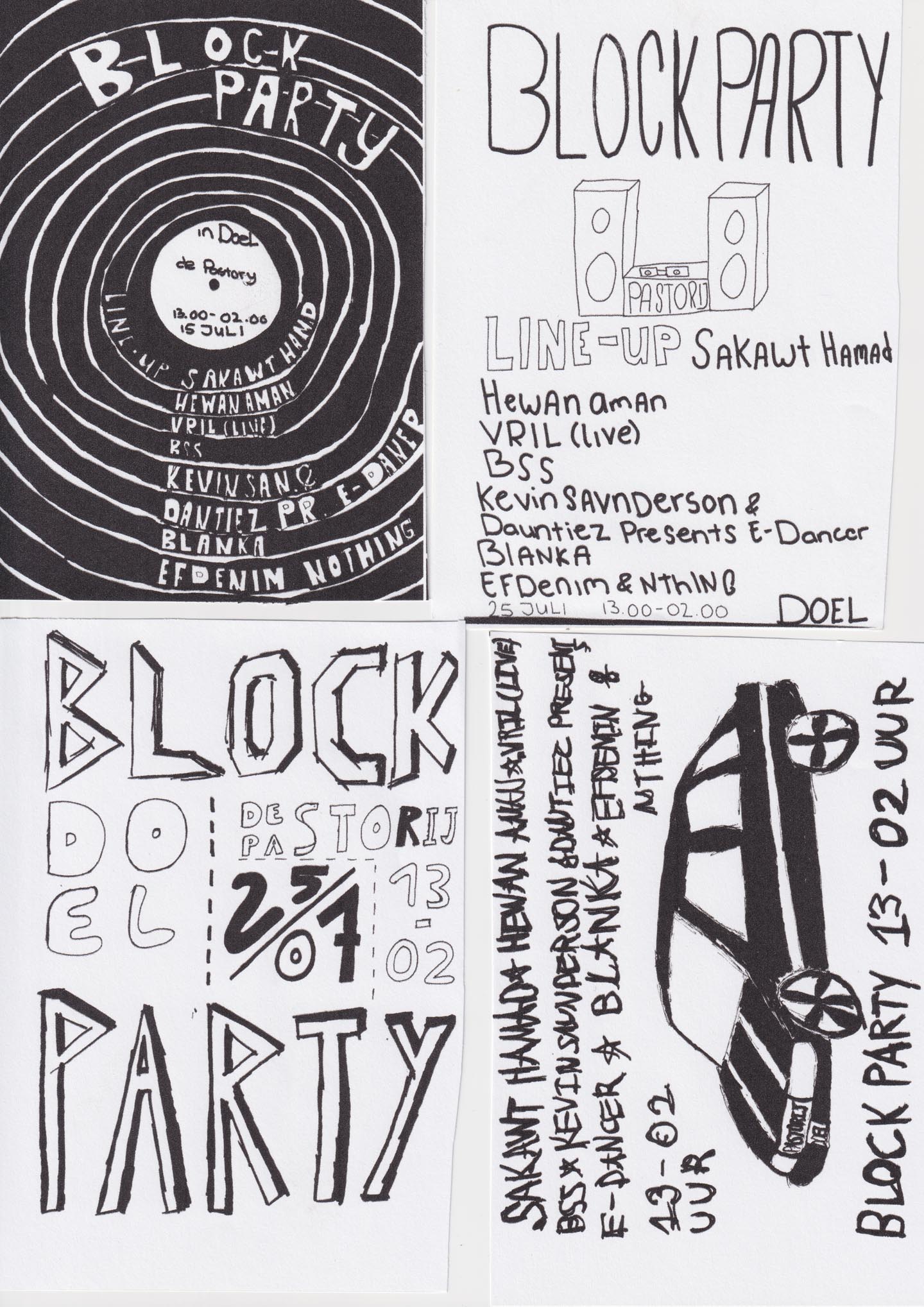
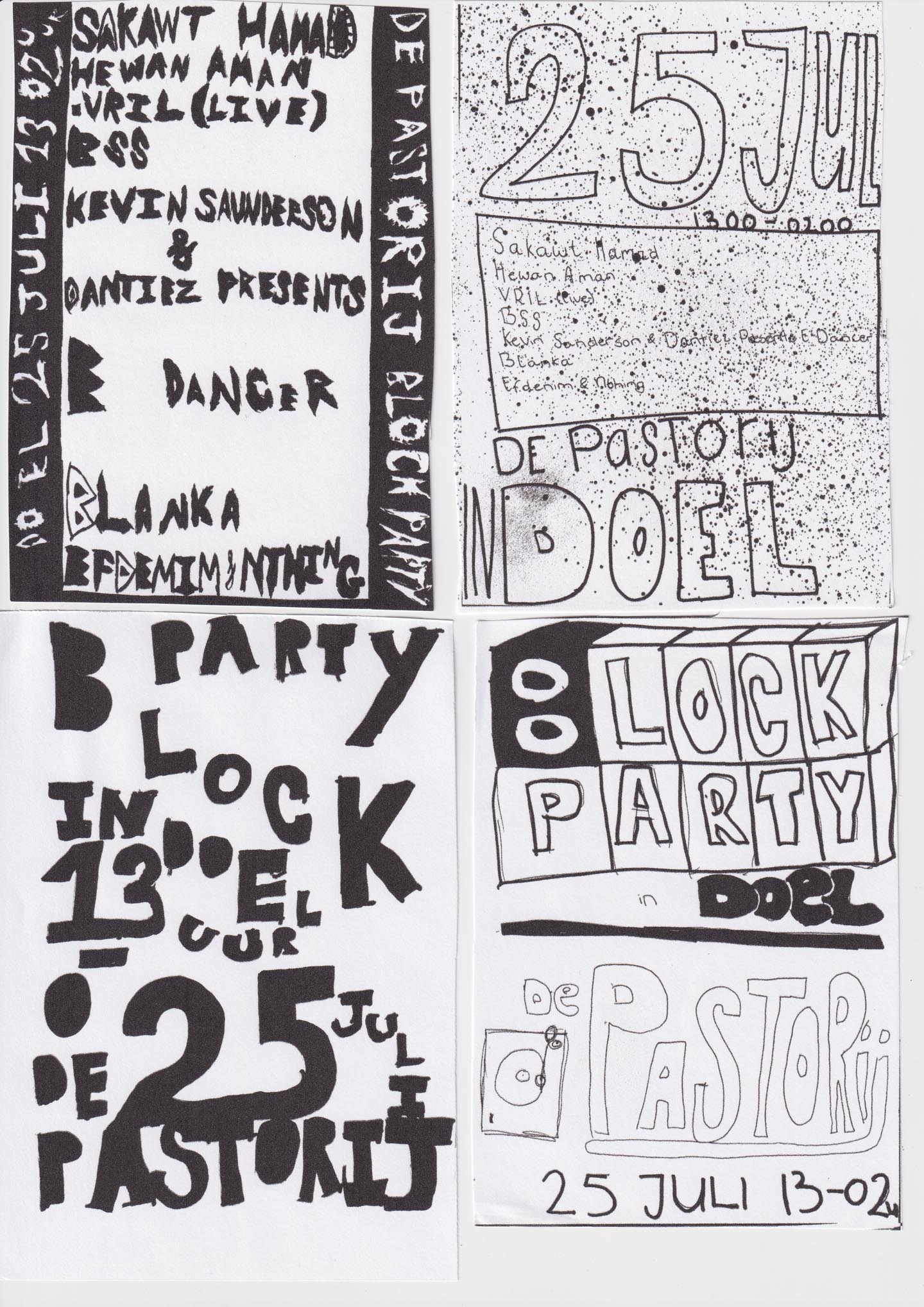
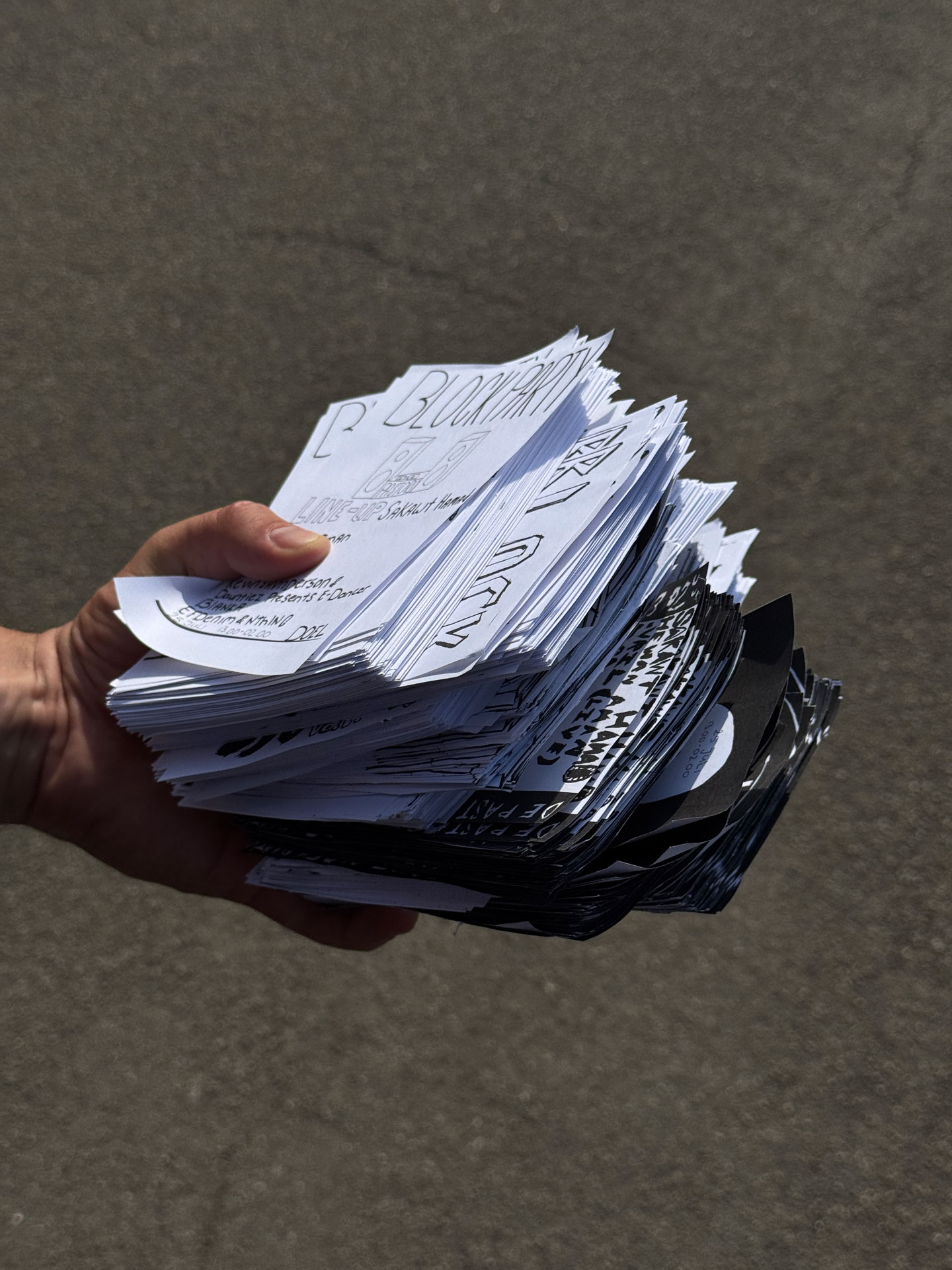
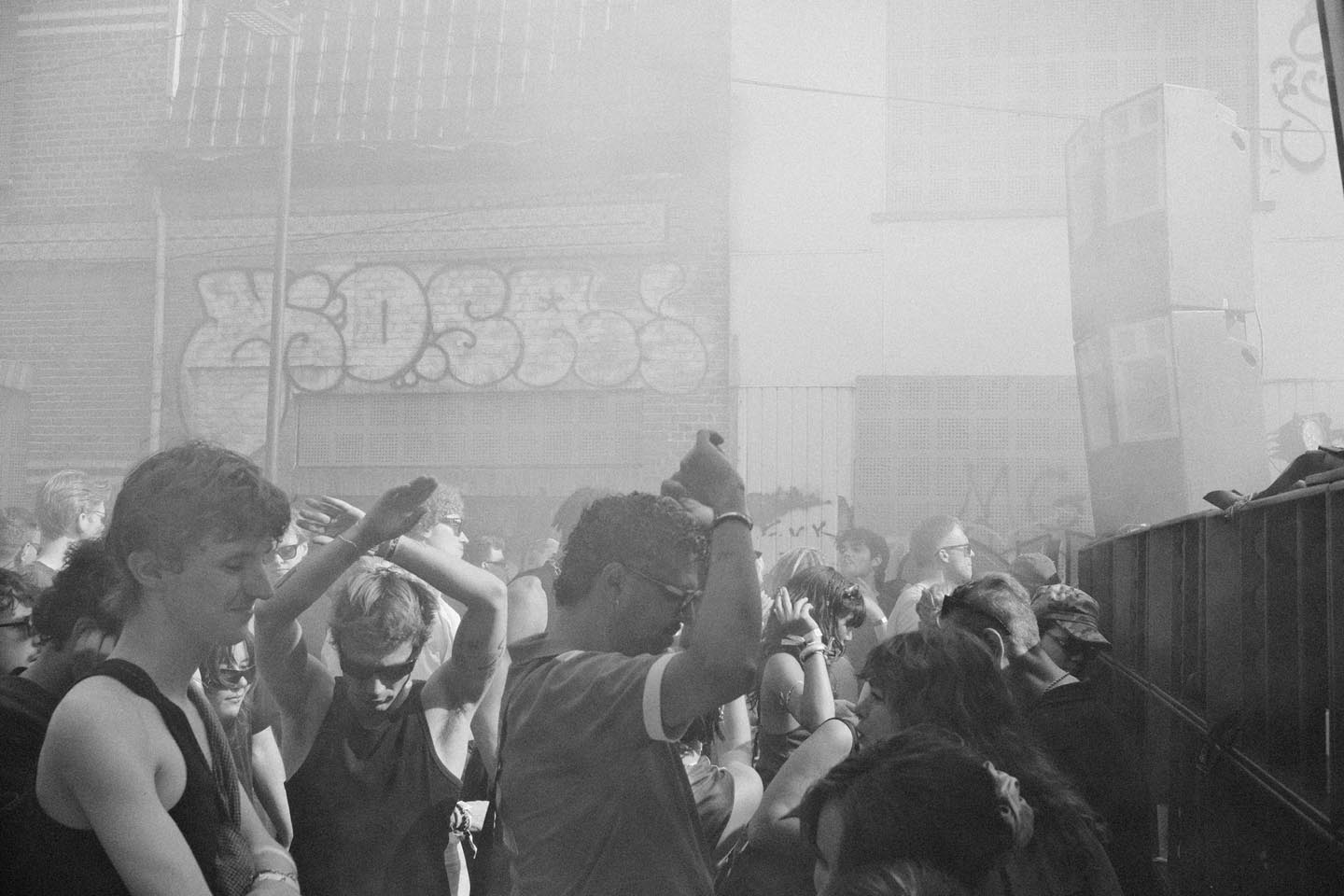
Visually we stripped down the stage to its bare minimum. Put down a sound wall and added street lights. Made complete with its own marker drawn cut by hand xerox flyers, courtesy of our interns for the designs.
A block party means back to basics, it means coming together as like minded. It’s straight forward and fun. But it also means dancing with a purpose. Dancing in and with Doel.